Introduction
This post was written before I started this MrJohn blog, back when I had a more general blog, and so there are few photos, and there’s a different focus in my writing – I’m also not convinced I like this post that much, but I make good points about love and statues, so I left it in.
I know reading on screens can be a chore, and it’s easy to get distracted, so every time I complete a dozen posts, I make them available as an e-book. If you’d like a copy of that, please contact me.
The Ferrol Express
I’ve driven this route dozens of times before.
I’ve driven it in winter, in summer, in the midst of heavy Easter traffic, and probably at every other time of year at some point over the last two decades. I’ve driven it in both of the crappy cars I’ve owned, and before that I have driven it in countless different hire cars; once even in a rented van when I went there and back in the same day to collect some furniture. That was a long time ago when I was younger, I couldn’t do that now.
The start of the route is the same as the school run, so it’s not just familiar, it’s tedious. It reminds me of the very life-draining routines that smother me for eleven months of the year. The very routines I’m trying to get away from for the next two weeks. I console myself: when I take my daughters to school on sunny days like this, I imagine ignoring our exit and continuing on through the lengthy Guadarrama tunnel, turning our tiresome commute into an exciting adventure. On schooldays I don’t to do that, I do what I’m supposed to do and take the exit I’m supposed to take. I’m not asking for thanks for this selfless act, I’m just saying that the temptation is always there: take the exit for tedious routine, or continue straight for freedom and adventure … that’s the good thing about today, the fantasy turns real and I ignore the school exit and keep on going through the tunnel. As soon as I do, I start to feel the delicious buzz of the freedom of the road. I shout “road trip!” but my family ignore me, they know I am full of crap and they are right. It’s not a road trip, it’s a drive, and there’s a world of difference.
A “road trip” is about the journey, a “drive” is a functional activity that you need to do if you want to move your body and suitcases from A to B.
If I had my way, we’d take a few days inching north, taking the backroads, stopping along the way in different towns and villages and beauty spots … but I don’t have my own way (I never have my own way) and we peg it up the motorway as fast as we can.
I’ve picked out some places I’d stop: Olmedo probably, because of the Knight of Olmedo story by Lope de Vega. According to thegreatestbooks.org it is 14,493rd greatest book of all time. It’s a novella about Don Alonso, a gentleman or knight (it’s the same word in Spanish) from the Castilian town of Olmedo. He spots a pretty young girl in the market at nearby Medina del Campo and immediately falls in love with her – I don’t think you can fall in love with someone by spotting them across a crowded market place, I think you have to at least have a chat first, but perhaps there were different expectations in relationships back in 1625.
I guess women were but a sum of their looks and their connections, they had certain social and domestic skills and a generic female personality rather than anything more idiosyncratic, and so as long as you fancied them, you could call it love.
I’d maybe drive on to Urueña, a little village with a castle and a dozen bookshops, then back to Toro on the north bank of the Duero river for its delicious red wines and tasty cheeses. Then it’d be following the river into Portugal, spending time in the beautiful countryside of the Douro valley (as it’s called across the border), before eventually emerging back in Spain, perhaps crossing the Minho on the little ferry at Caminha because a ferry is more adventurous than a motorway, even if it’s only a few minutes across the estuary.
In the old days when I first drove this route, even this stretch of motorway near my house was an adventure of sorts (although I didn’t live here then). It was a holiday, and the little things were fun, like us getting changed into our shorts in the toilet at Madrid Airport, then grabbing bocadillos stuffed with Spanish tortilla before finding out which hire car we were getting. These little routines had a thrill about them. We’d nervously navigate our way around Madrid and get on the Galicia road before relaxing proper, and then we’d force ourselves to wait until we got through the tunnel into the wide-open plains of Castile before pulling off into a rest place to scoff our picnic.
Various photos from over the years of stopping on the way (incomplete, because I can’t find photos of everything):
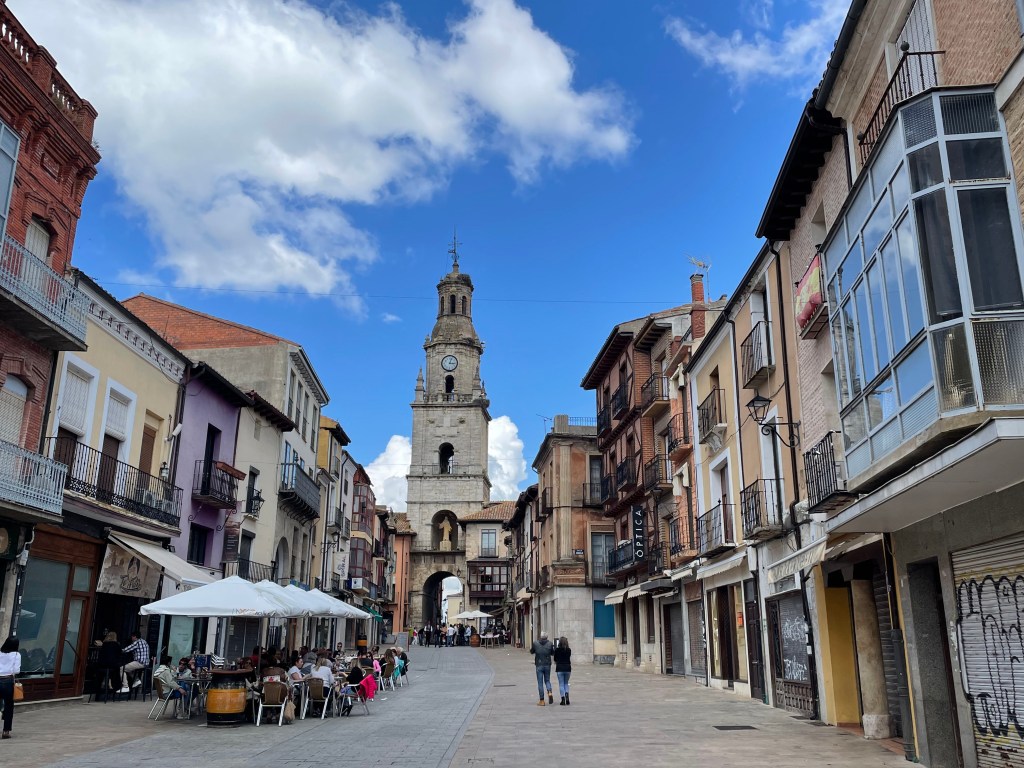
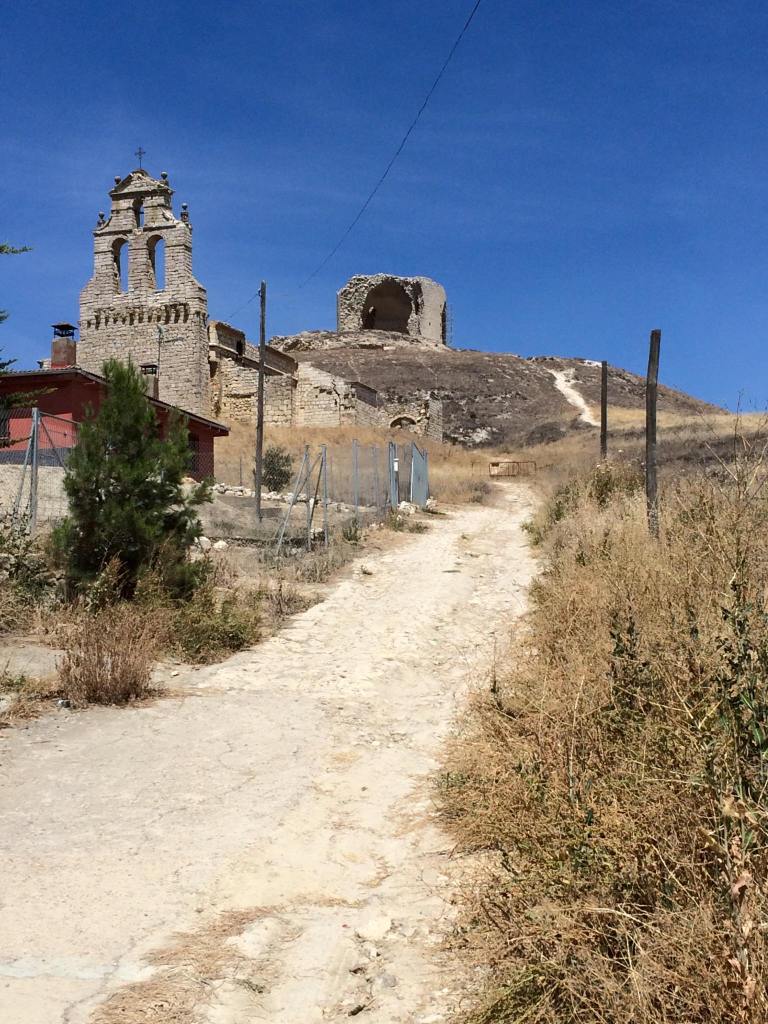
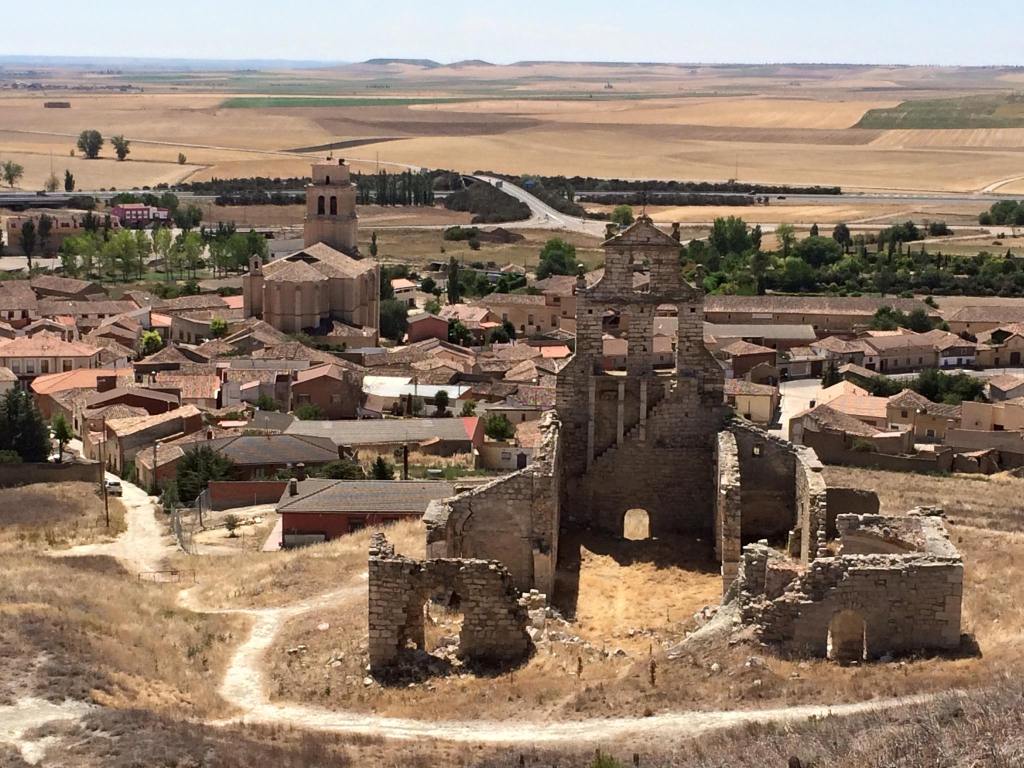
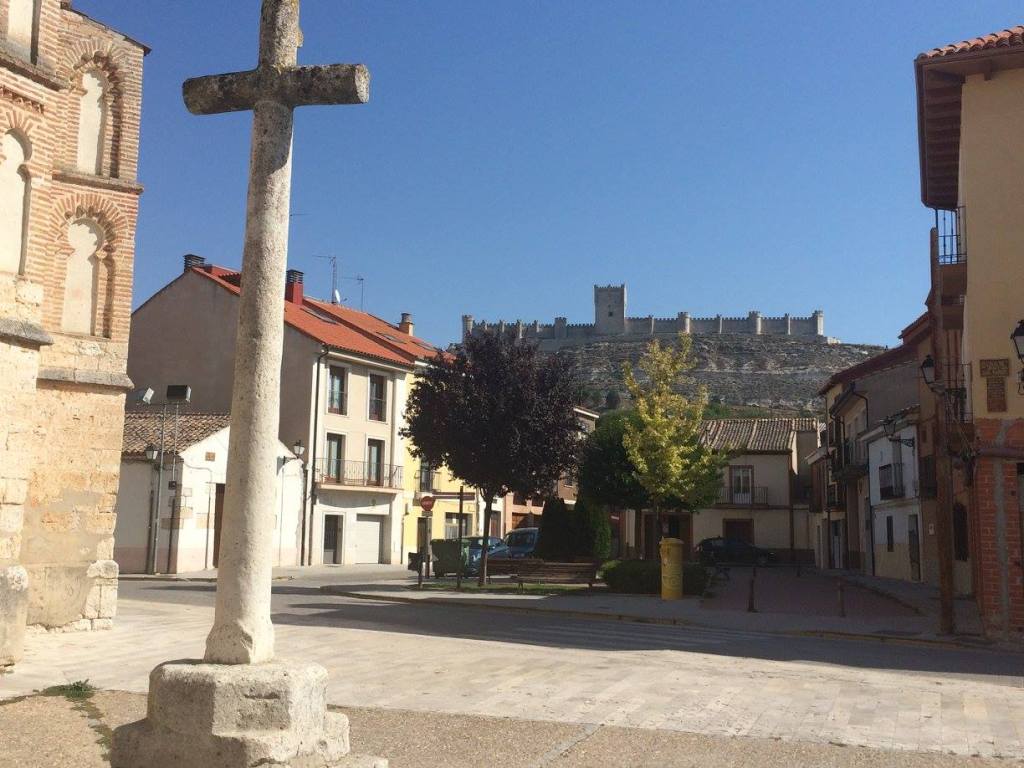
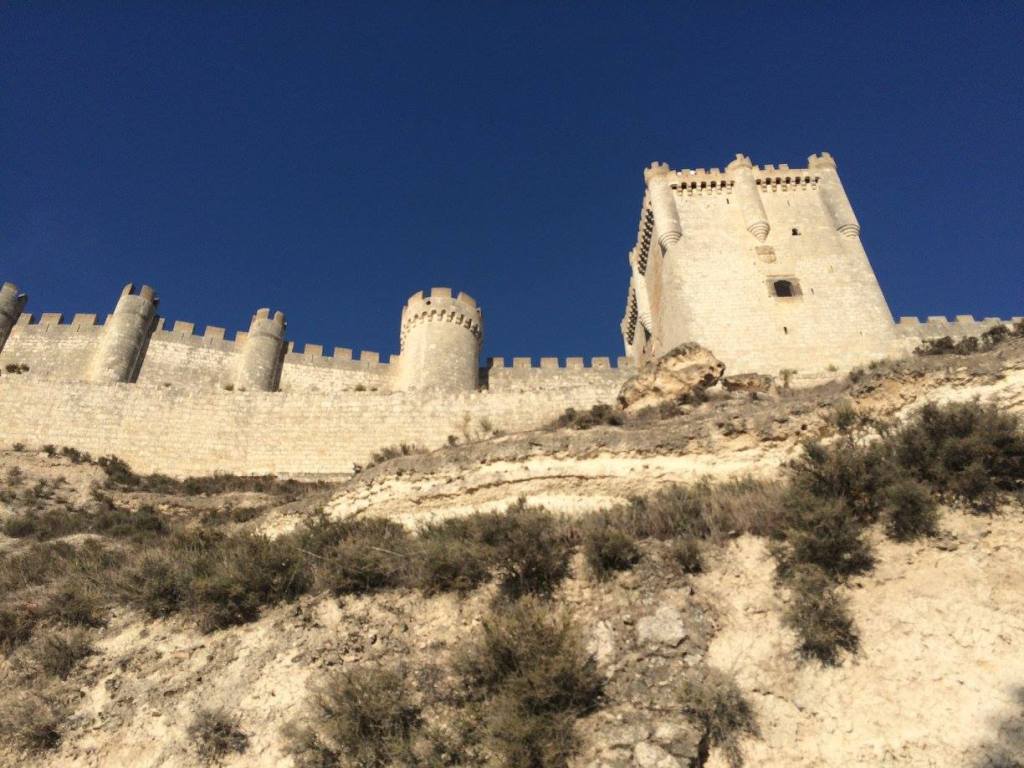
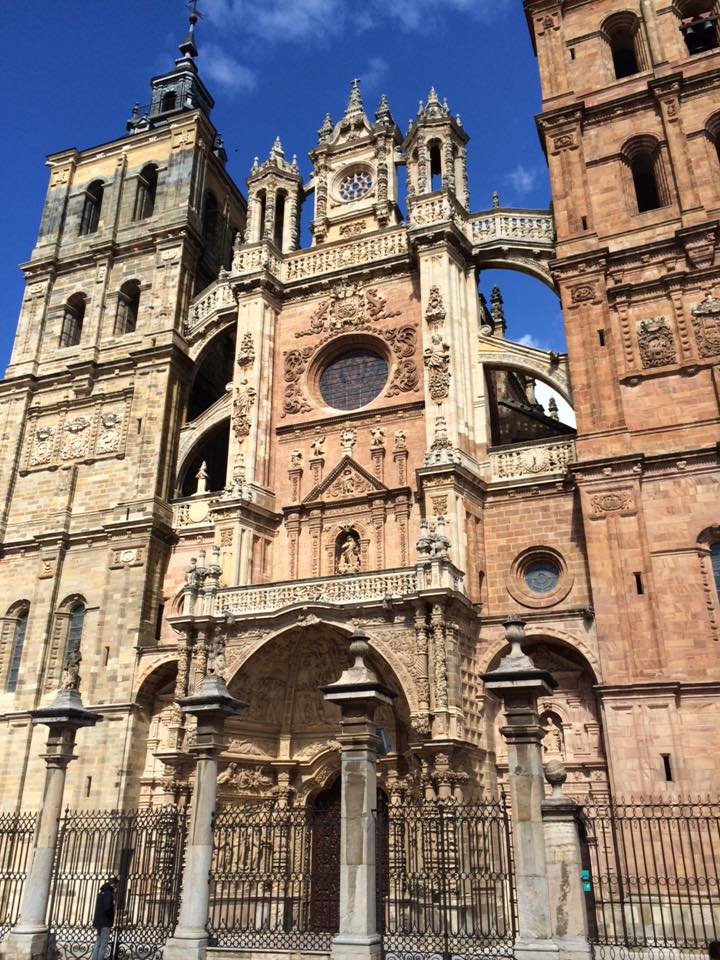
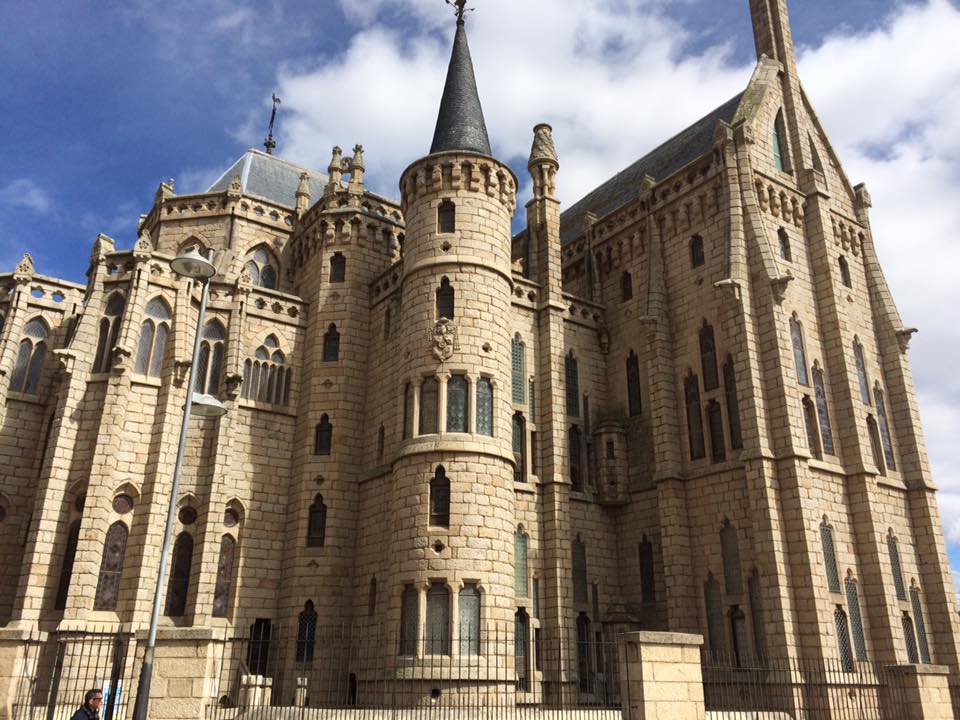
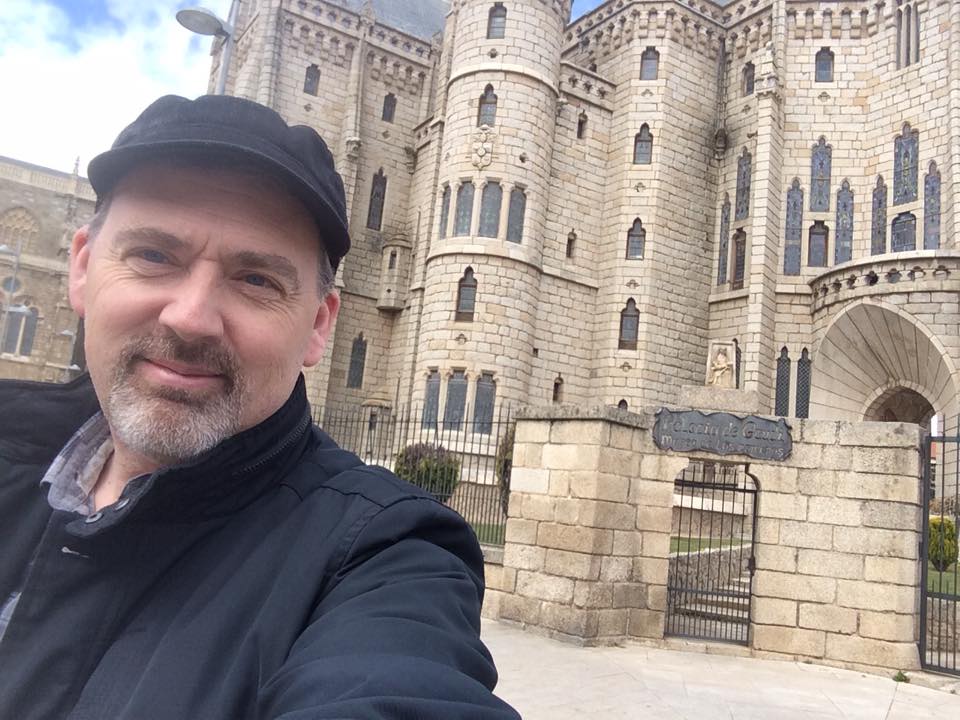
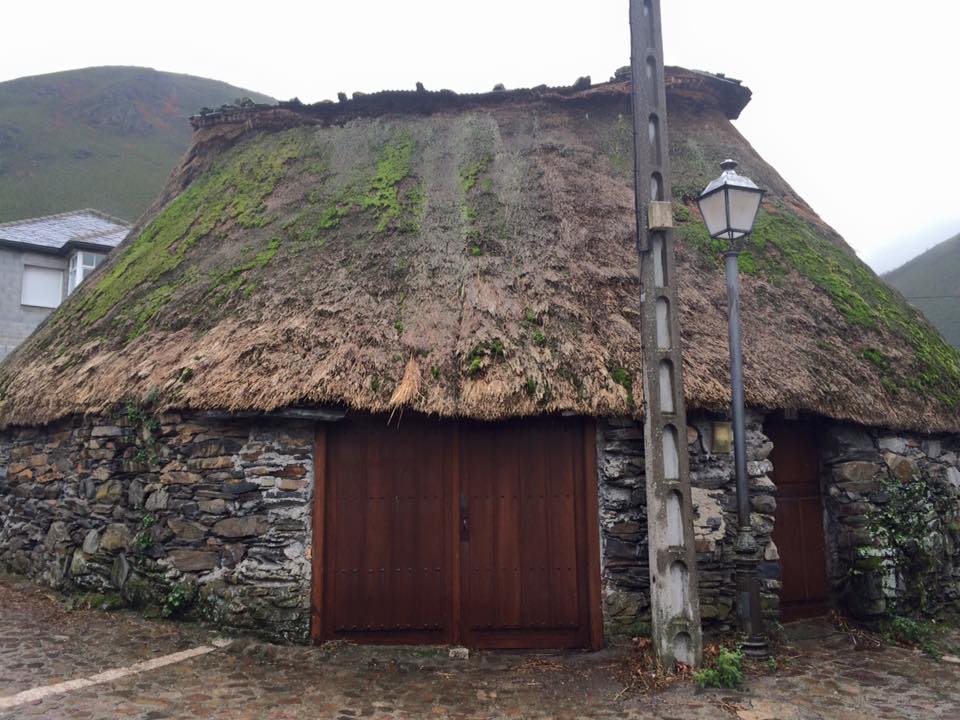
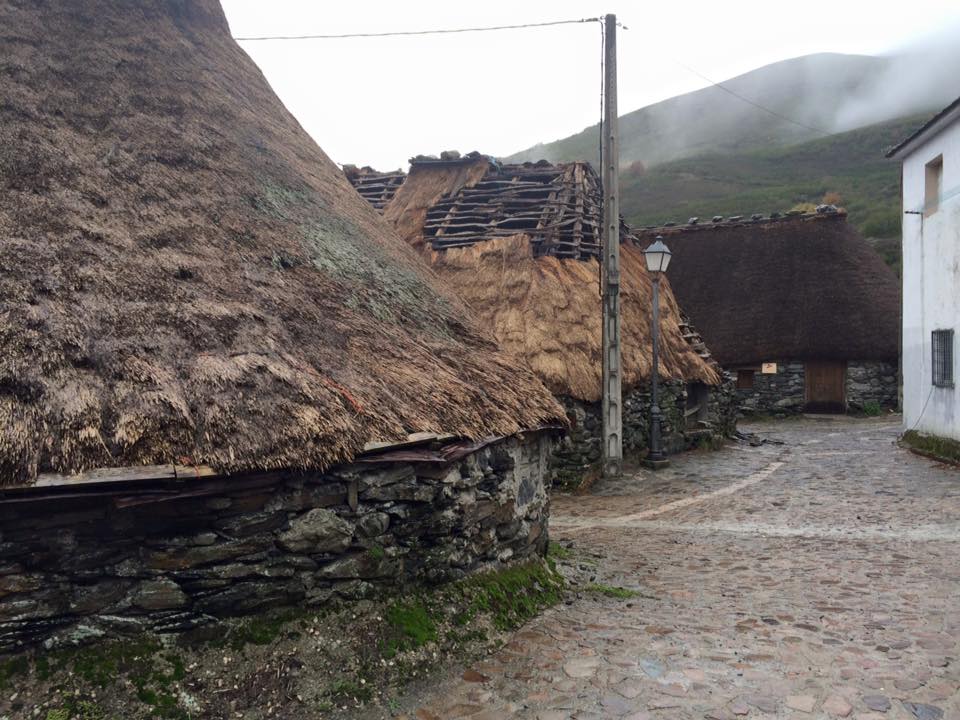
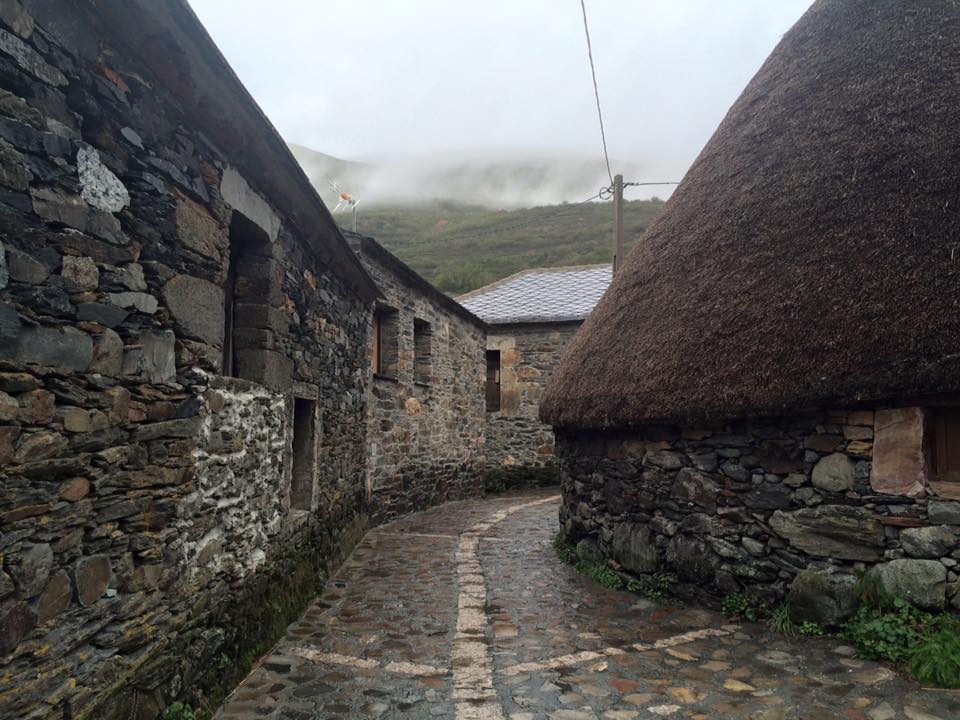
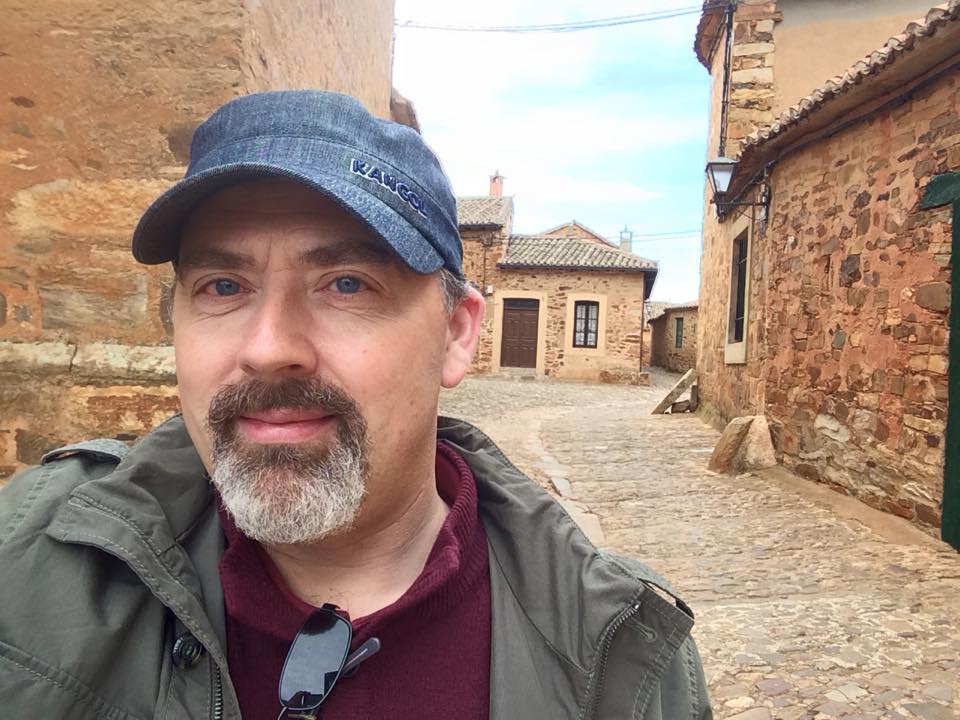
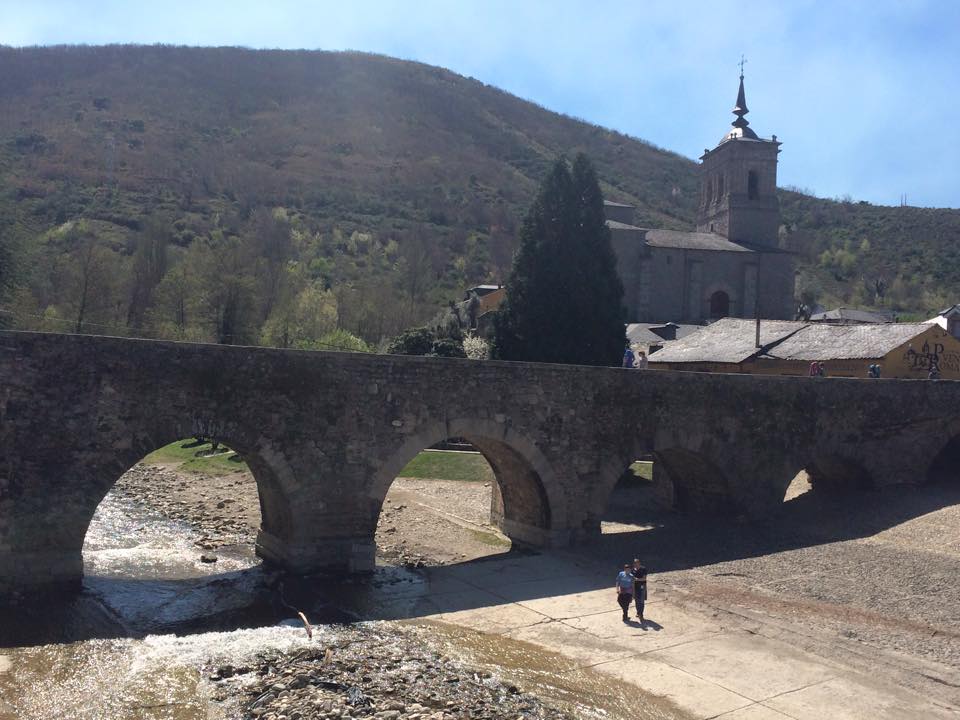
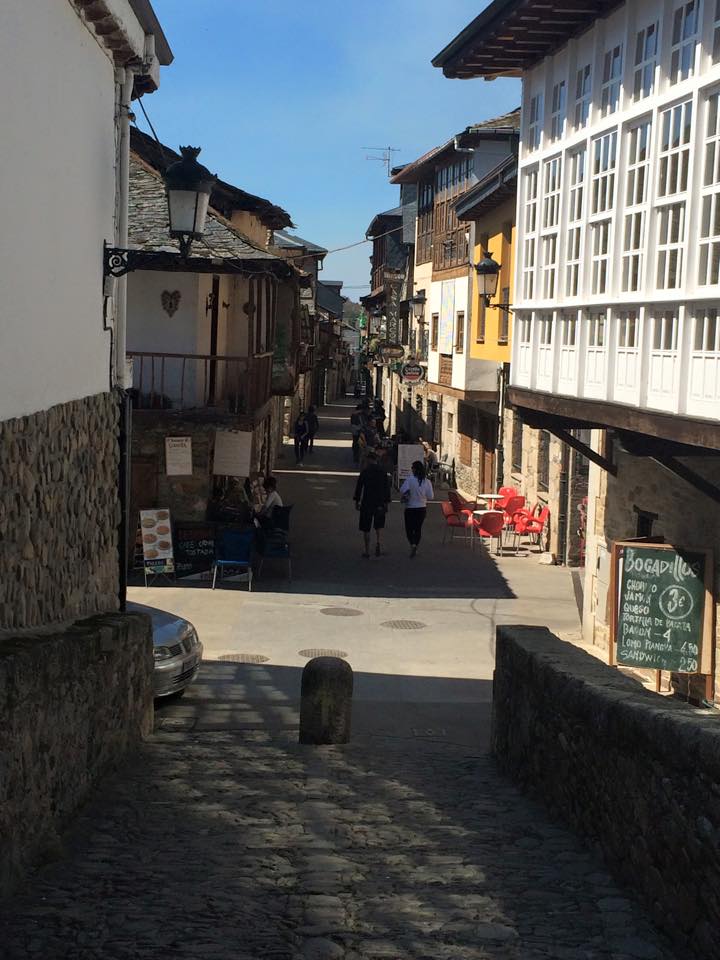
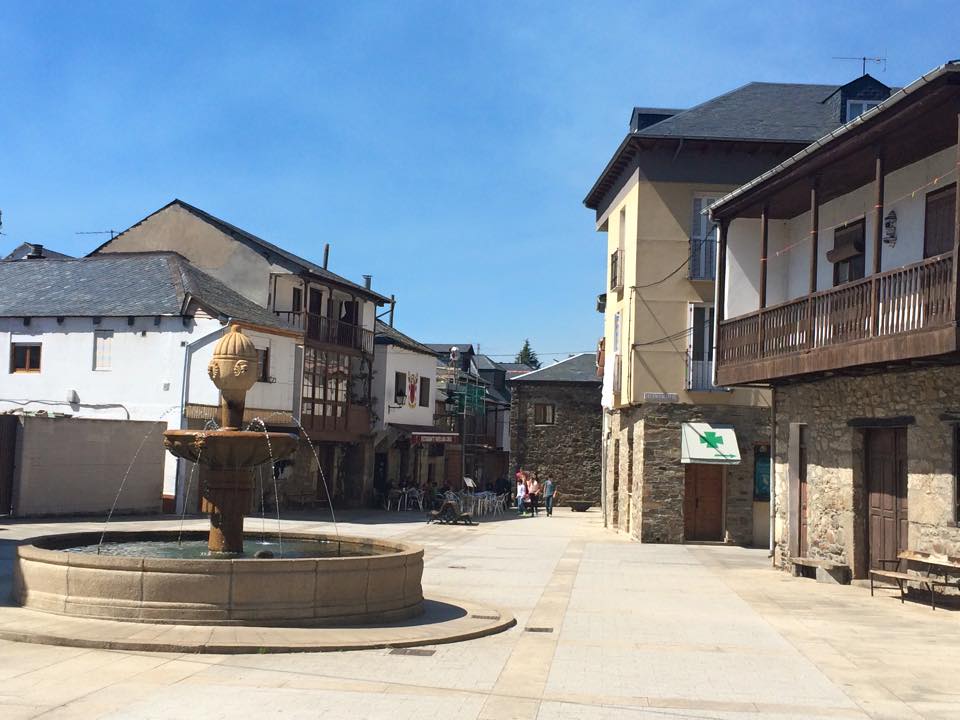
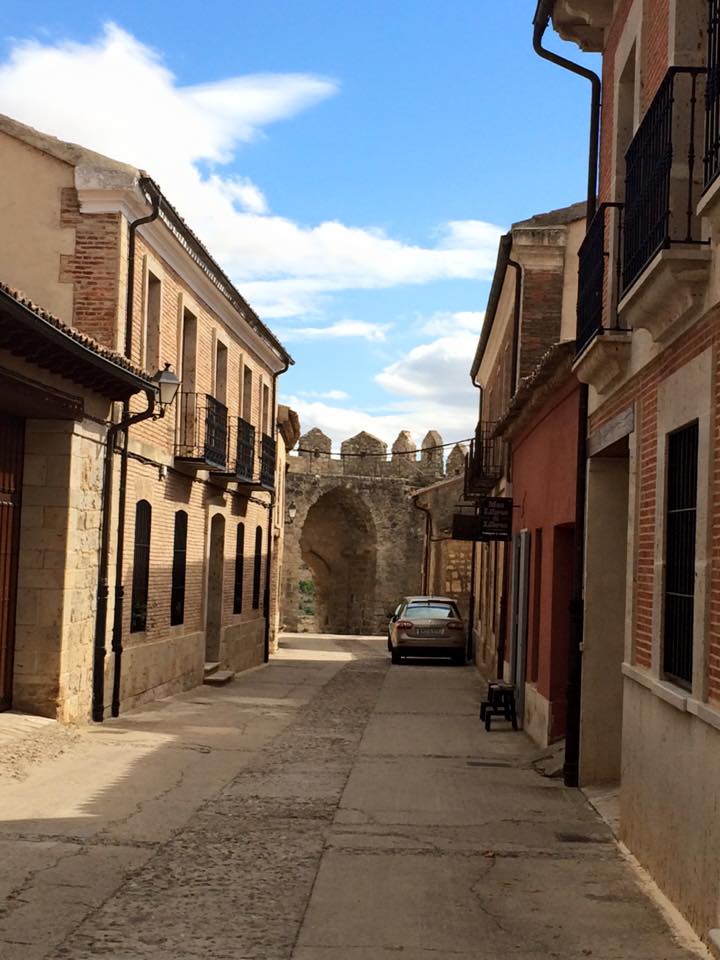
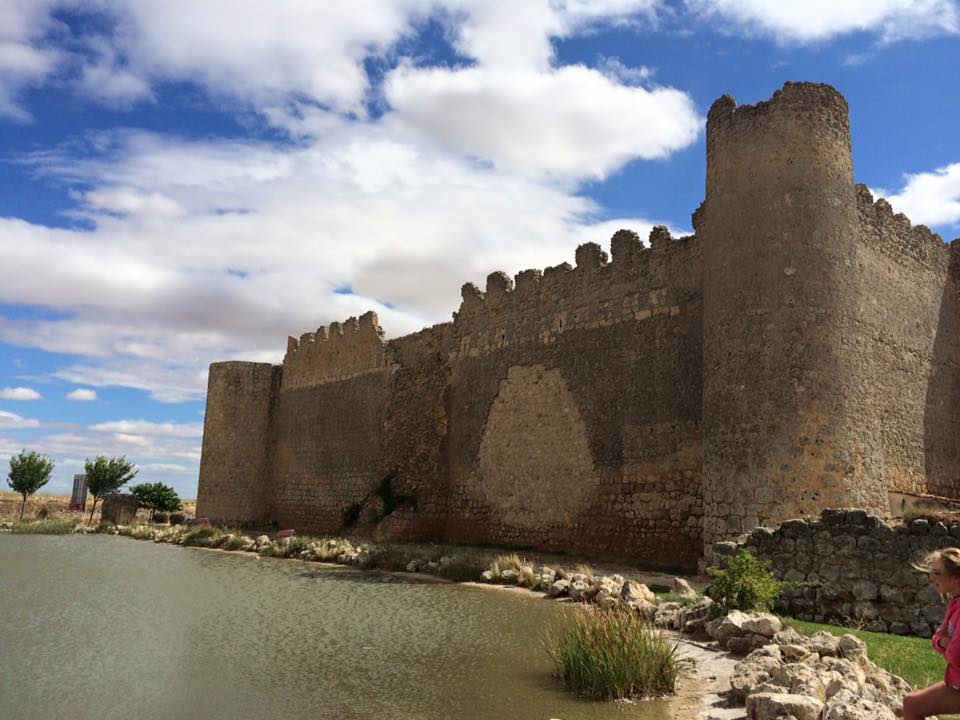
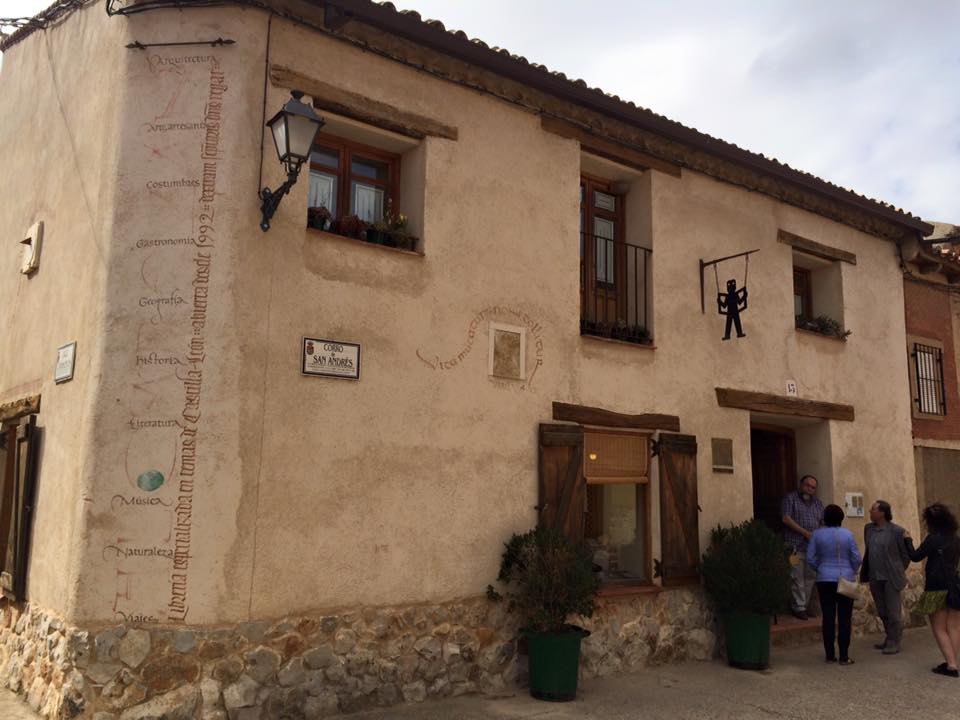
In those days the motorway didn’t go all the way to Ferrol, a town in the very northwest corner of the country. There was a patch somewhere between Ponferrada and Lugo that didn’t connect up and we were forced to take the minor roads. That wasn’t the best bit because we were usually tired by then and it’s no fun to get stuck in traffic or stopped by red lights when you’re in a rush. The key to enjoying the road trip is your state of mind: if you want to get there fast, the inconveniences of minor roads will drive you nuts; to enjoy the roads less-travelled you have to want to explore, not to arrive.
Back then, being young and poor, we had the patience to avoid the tolls too, and so sometimes we didn’t even go through the pricey Guadarrama tunnel, instead heading over the mountain pass and through the forests on the other side – not quite as idyllic as it sounds, the summer roads were crowded with other tightwads avoiding the tolls. The same tactic was employed as we neared the Atlantic coast at the end of the journey, the little strip of the AP9 motorway linking up to Ferrol is inexplicably a toll road, despite the city’s struggling economy. We avoided it, and took the side roads through the little towns along the coast. Yes, it was beautiful, it was exactly as nice as that sounds, but it was tiring because we were at the end of a seven-hour drive and we were impatient to arrive. If I am honest with myself, I would have preferred to pay the 300 peseta toll and get there without that hassle.
And so, much later in today’s journey, when we’re forced off the motorway by roadworks and have to take diversions along the minor roads, I am secretly pleased. These back roads are the old routes, usually just a single lane for each direction, and they go through the middle of towns and villages, not around them.
I chug along in the diverted traffic, so I’m not exactly having a ball, but I enjoy looking at the towns and passing the little family hotels and wondering which I might stay in if it were getting late and we needed to stop for the night.
The first diversion was nothing special, it was short and fairly crowded as we trundled along in a string of heavy summer traffic all going the same way, but later – only 50kms from Ferrol – we were alone as we were sent along an unknown side road through a few villages for 20kms or so. The houses were nice, they looked big and clean, and had lovely views of the valley. Often isolated villages and off-track country houses in Spain give me the heebie-jeebies, they look so lost and forlorn, but not here. It was a charming little diversion, but I was the only one who thought so, everyone else just wanted to arrive.

Maybe one day I will succeed and turn this high-speed dash into a meandering road trip – although I believe proper travel to vb a solitary experience, even a family road trip is a step in the right direction. I once managed to persuade the family to visit a village lost in the Ancares mountains with a collection of ancient houses with thatched roofs. It turned out to be two-hours off the road, and the photos of the village full of those charming little houses was about 80 years old, and so it was arguably a lengthy and awkward diversion to see the two surviving crumbing properties, and – to make matters worse – to lose my hat when we stopped for a cup of tea, but as I always say, explorers don’t always find very much, they are not always diamonds in the rough, sometimes it’s just rough.
I won a minor concession when the rules were altered so that we try to stop in a different place each time to have lunch or a picnic. We don’t always do this, because sometimes we have a good reason to just get there fast, but over the years we have had lunch in Tordesillas a couple of times (and went to see the Duero river, Iberia’s largest by volume, its massive catchment area covering much of northern Castile, but more importantly than that, its valley is the home of some brilliant red wines). We explored Ponferrada once, and like is sometimes inexplicably true in Spain, we found it difficult to find anywhere to have lunch, although the stunning castle and lovely old town made it worthwhile. It was similarly difficult to find a restaurant that wasn’t closed for lunch in La Bañeza one time (we never returned), and we struggled for anything edible in the famous truck-stop town of Benavente, a major junction of roads (my toasted ham and cheese sandwich was like eating a cushion). Even finding picnic spots was often hard work, we have munched our butties in a car park on an industrial estate, a tiny patch of green in a village near a lake that we’d hoped to paddle in, but turned out to be locked behind a fence, in a busy lay-by when our chosen spot was covered in brambles and ants, and – worst of all – a toilet, trying to escape the swarms of wasps. Later we did more research and planned better and got to eat in the beautiful Puebla de Sanabria, a hilltop village well worth a visit. We had afternoon tea in Astorga (worth seeing the Gaudí house), picnicked on the lake at Sanabria (very pretty), hiked around Las Medulas, had the famous cocido in Castrillo de los Polvazares (excellent), and stumbled into many dead-end places of zero interest to the traveller, many of which lay forgotten in the back of my mind.
Due to a late start, this trip was going to involve no meandering and no detours. We were tight on time and would just stop for the minimal cup of afternoon tea at the halfway point outside Astorga, and then carry on as fast as possible. The traffic was heavy at first. A lot of places in Spain still awkwardly give holidays in non-negotiable month-long blocks. This isn’t as true as it used to be, but people still think in terms of August as a month for the beach, and will book their holidays accordingly, making the 1st August (or, in this case Friday 30th July) a busy day on the roads.
It wasn’t too bad in Madrid province as we climbed up toward the tunnel. I took the extra lanes that open up in different directions depending on the flow of traffic. On Friday 30th July it was open for people leaving the city, I suspect on Sunday 1st August it will be the other way around as people who took July as their holiday month will be heading back. The extra lanes take you through the original tunnel, built by Franco (not personally), a fact often mentioned by sympathizers of the diminutive dictator (“he built tunnels and reservoirs too you know!” they shout, but given that he was in power for nearly half a century, this feels like a faint claim to counter all the killing he also did).
Another Franco-fact is that this motorway passes the Valle de los Caidos (the Valley of the Fallen), the impressive cathedral hewn out the mountain with a huge cross on the hilltop above. The monument is a dedication to all the victims of Spain’s Civil War, a non-partisan gesture of peace, but given it was a massive Catholic Cathedral containing the graves of Franco himself (against his wishes) and the fascist leader José Antonio Primo de Rivera, one might argue it had a partisan edge given one side were ardent Catholic fascists and the other commies.
His grave has recently been moved to join his family at the Pardo Palace, the place he used as his home during his years at the top – a controversial step – and met with the usual “there are more important things to do!” by those who disagreed with the move before moving to the “it’s part of history!” claim, as if moving a grave would rewrite history … moving a grave doesn’t rewrite history, no more than toppling a statue rewrites history, because tombstones and statues are not history-storage mechanisms, they are a glorification mechanism, and glorifying someone who doesn’t deserve glorification is a form of rewriting history, so toppling it (or moving it) could be a more accurate historical response.
My destination today is Franco’s hometown: Ferrol. A few years ago they also had a statue of him on a horse, bang in the middle of the town’s Plaza España, a busy traffic island at the top of the town. Its removal was controversial (“it’s part of history!” they cried, “they’re trying to rewrite history!”) but nowadays people complain more about the lack of trees in the ugly concrete plaza that replaced the old one. They seem to have forgotten about the statue, but not the history because they still like to remind me that Franco built the tunnels and the reservoirs …
So anyway, the traffic was bad that day as we were leaving Madrid. I took the extra road through the old tunnel, joining back up with the main motorway on the other side. We sped on for another half-an-hour until we got to the toll. Now I have an automated toll thing on my windscreen, I quite like toll roads because I get to whizz through, hear a rewarding little beep, then try to time my exit from as fast as I can without hitting the barrier.
The stop-start summer traffic began after the toll, forced to bunch up because the road goes down to two lanes and cars join from various tributary sources: from Segovia and Avila at first, then a little further north, cars pile in from the big city of Valladolid. It doesn’t last long, the bottleneck eases as people branch off toward Salamanca or northern Portugal, and then later at the big junction of Benavente – just after the Don Quijote statue – the road splits into three main arteries, either directly north toward León and Asturias on the A66, a road jam-packed with memories from my youth (see here), west toward Vigo and the beautiful Rías Bajas region on the A52, and our road to A Coruña, Lugo and Ferrol – the quietest of the three – quietest for a reason: this beautiful corner of Spain gets the worst weather in the whole country.
As the road climbed and the mountains crowded in, the motorway precariously nipping through tunnels and across wide viaducts, the signs for Galicia appeared and the temperature plunged.
“It’s cold in this car”, my daughter said, wrapping herself in the dog’s blanket.
“It’s not the car,” I said, nodding to the drizzle on the windscreen and the thickening fog outside.
It cleared an hour or so later, and we approached Ferrol with clear skies and the sun was setting on the Atlantic, temperatures now down in the low teens.
Despite all my efforts to slow the trip down and enjoy the ride, we’d made it record time.
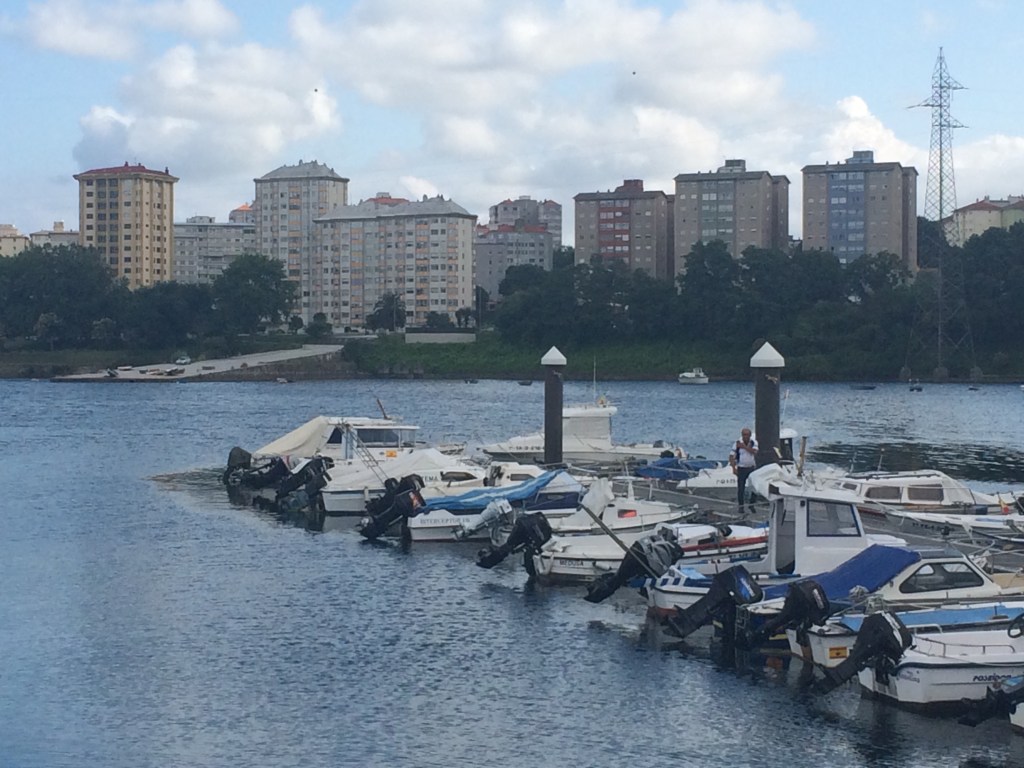
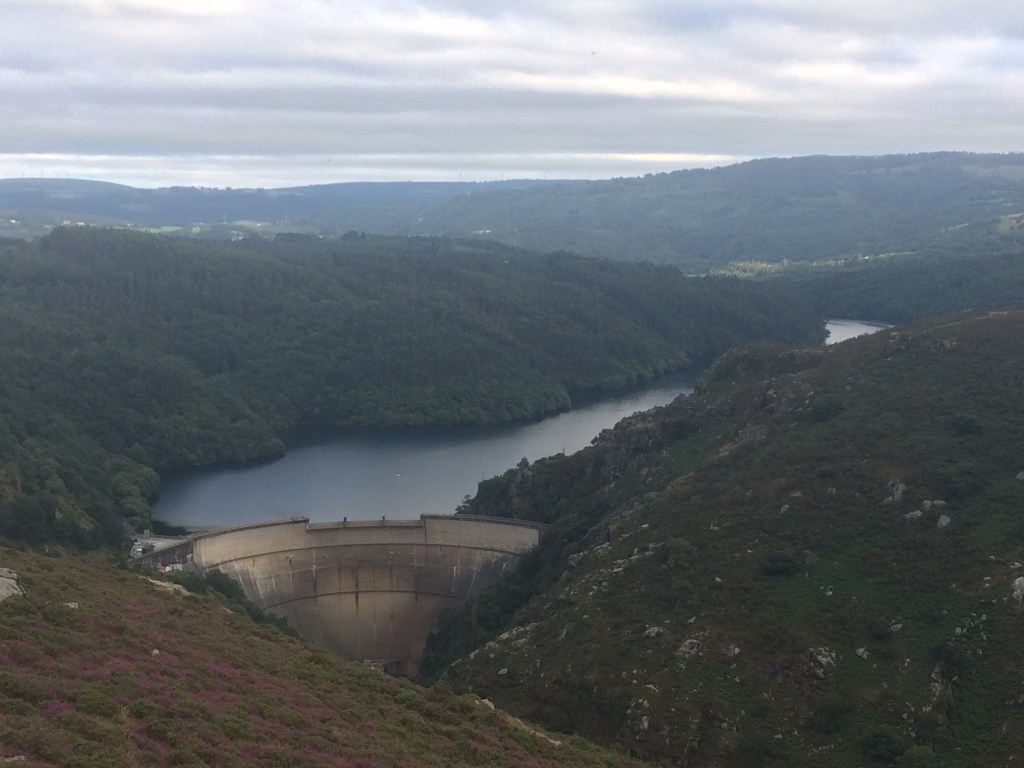
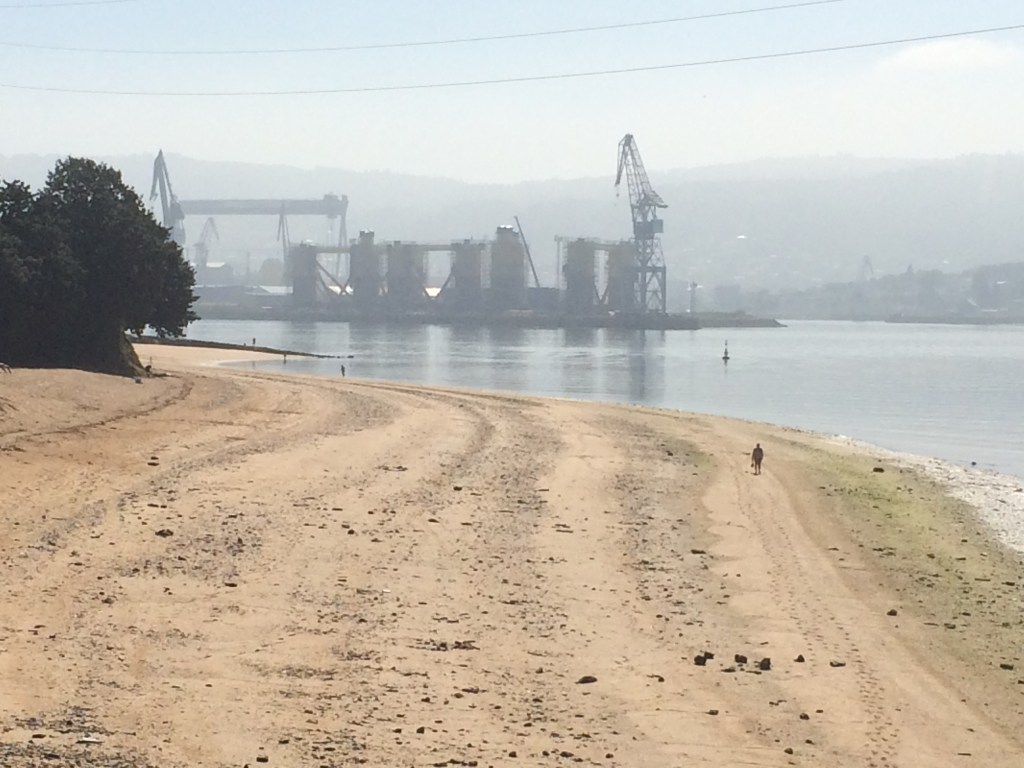
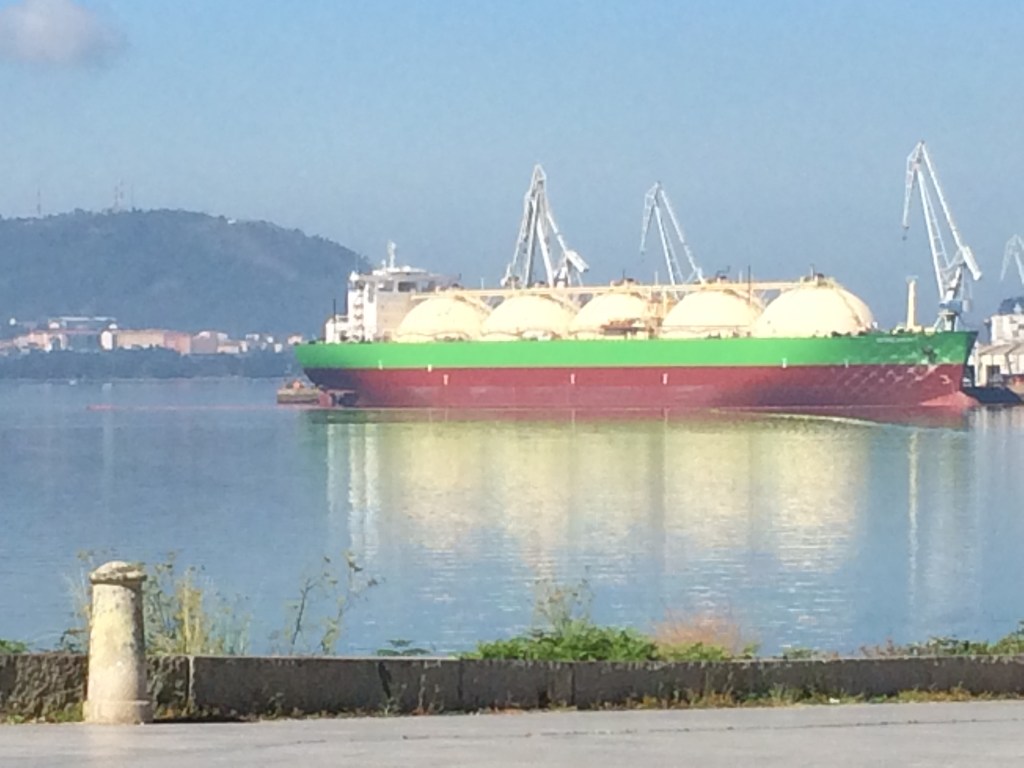
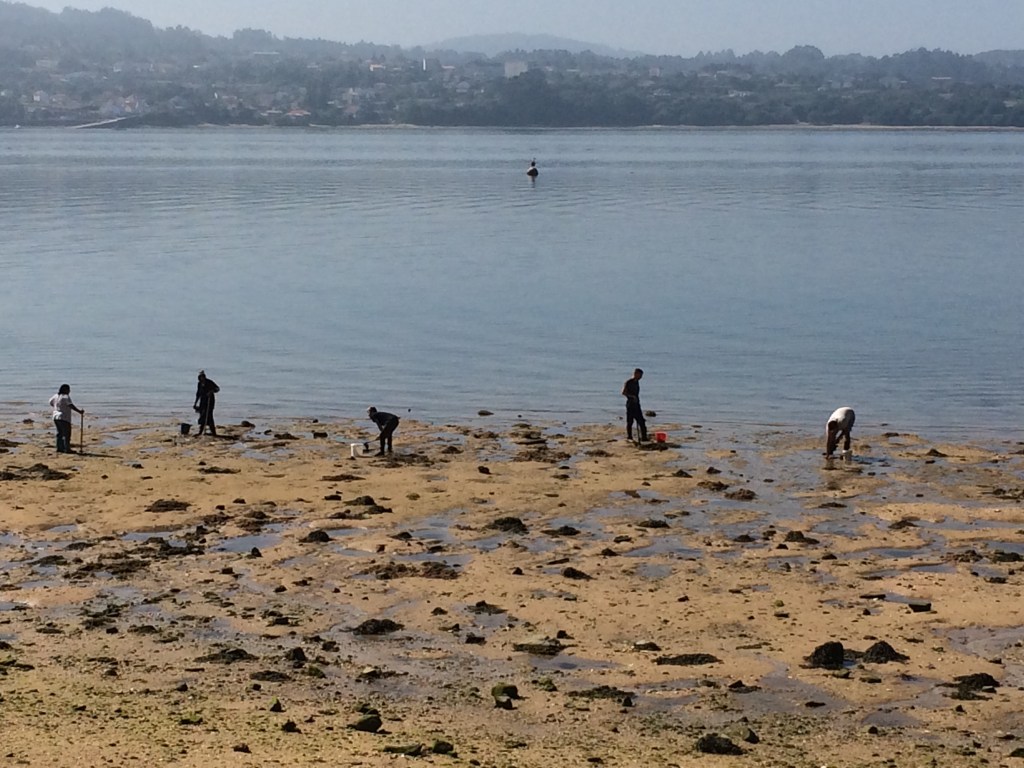
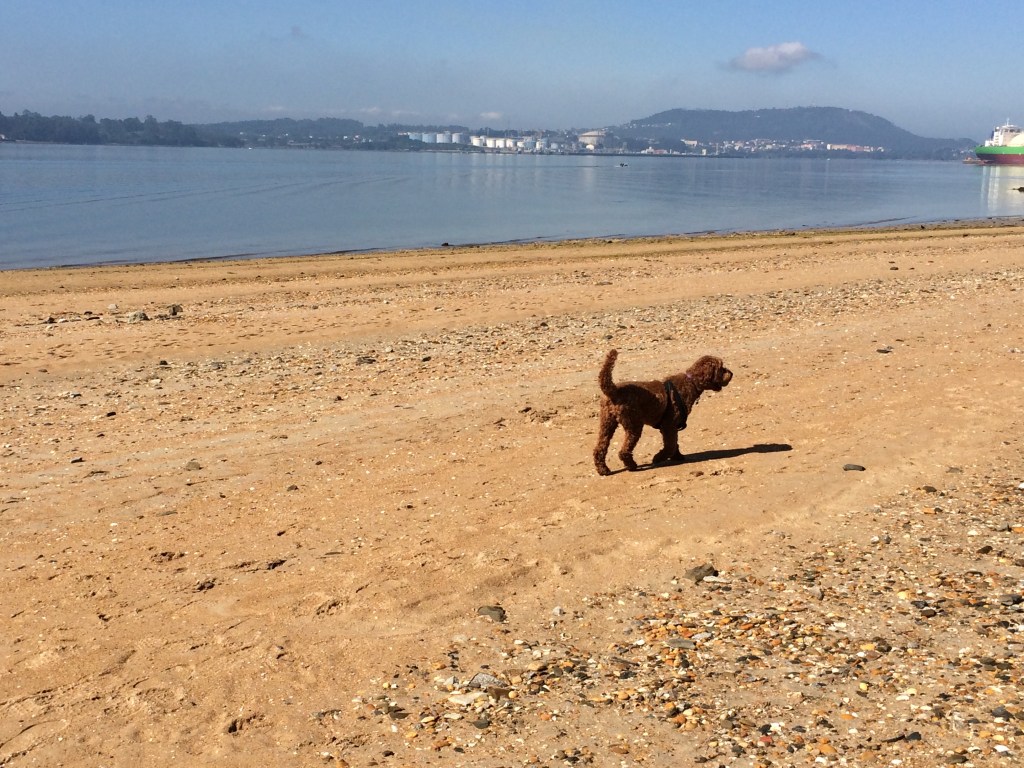
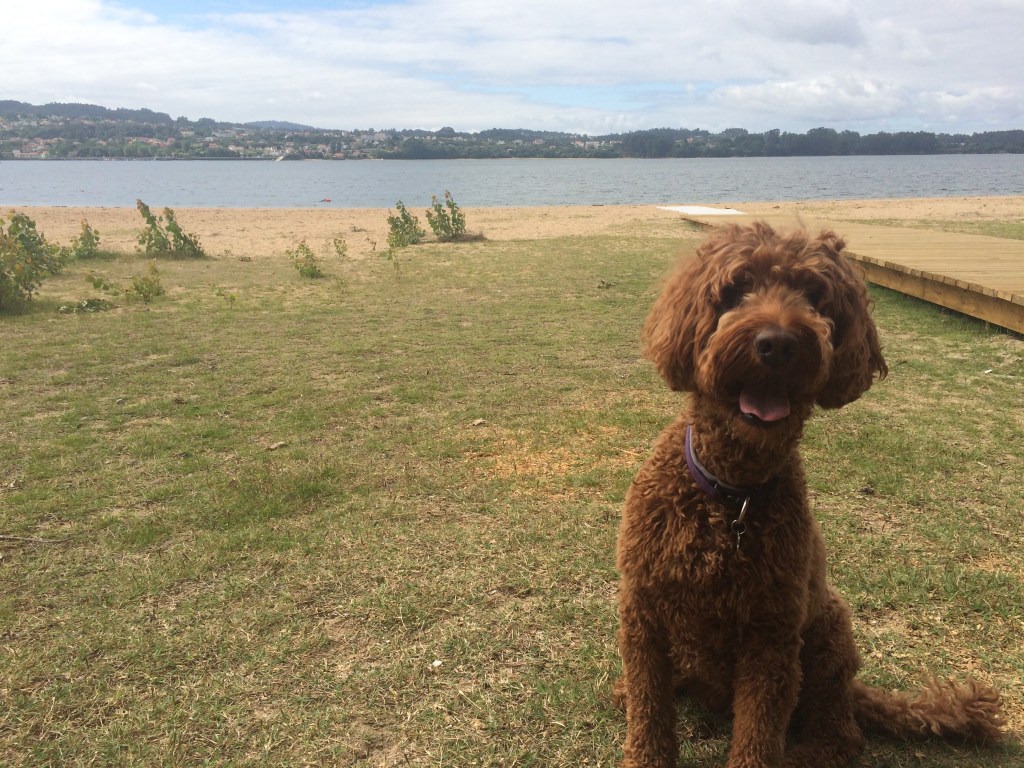
Below are a few photos of Ferrol, taken during this trip but not of the journey because I wasn’t doing this blog back then.
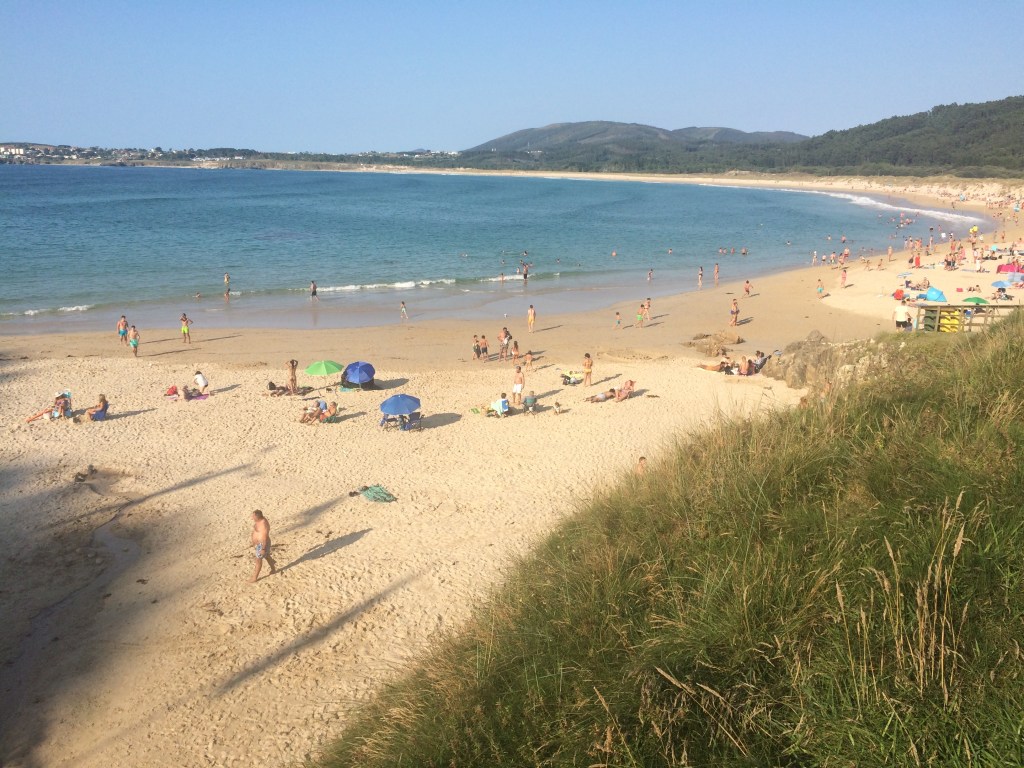
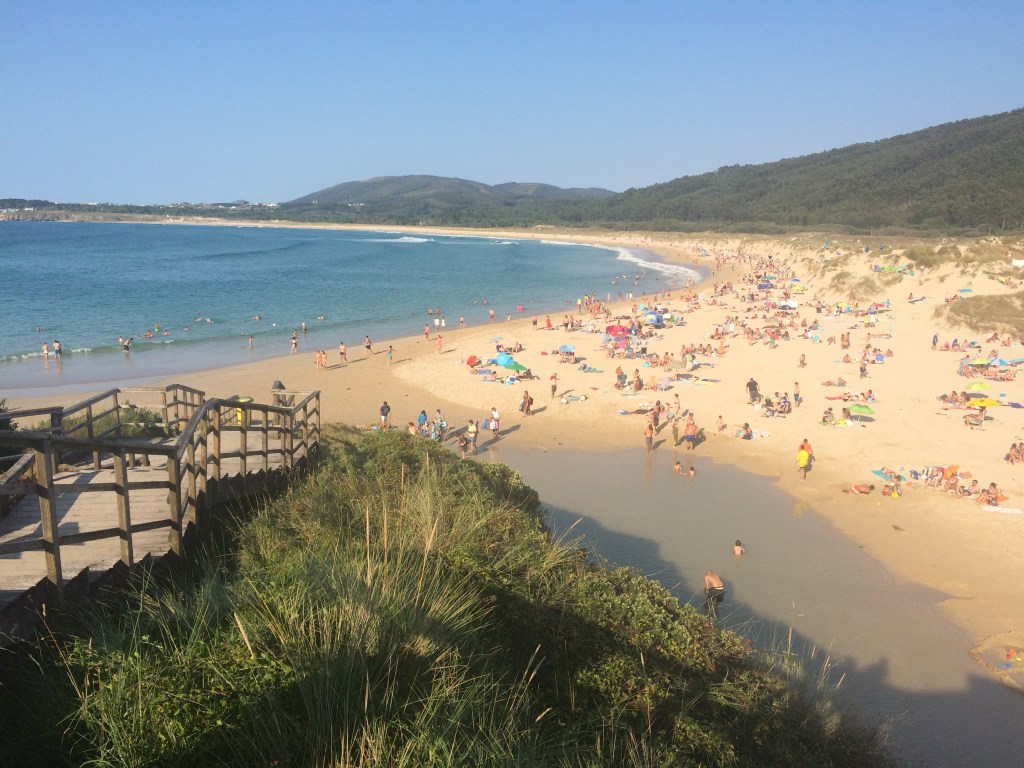
 MrJohn