Beginning another journey at Madrid Airport, I stepped on to the exact same Air Europa Boeing 787-9 Dreamliner I had flown on two days earlier on my way back from Tashkent, and here I was again, getting back on it – different seat, different side with a different view, but same plane.
I felt a bit like George Clooney in Up in the Air, someone with a life that looked superficially glamorous but was ultimately empty. Yes, I was at an airport getting on a plane called a Dreamliner, but this wasn’t a dream, and I was spending another Sunday on my own, in an uncomfortable seat, wondering what the inflight meal might be like.
I got a row to myself, so in this case, being “on my own” was a positive, although – as a natural loner – being on my own is usually a positive – as Edward Gibbon said, “I am never less alone than when by myself.”
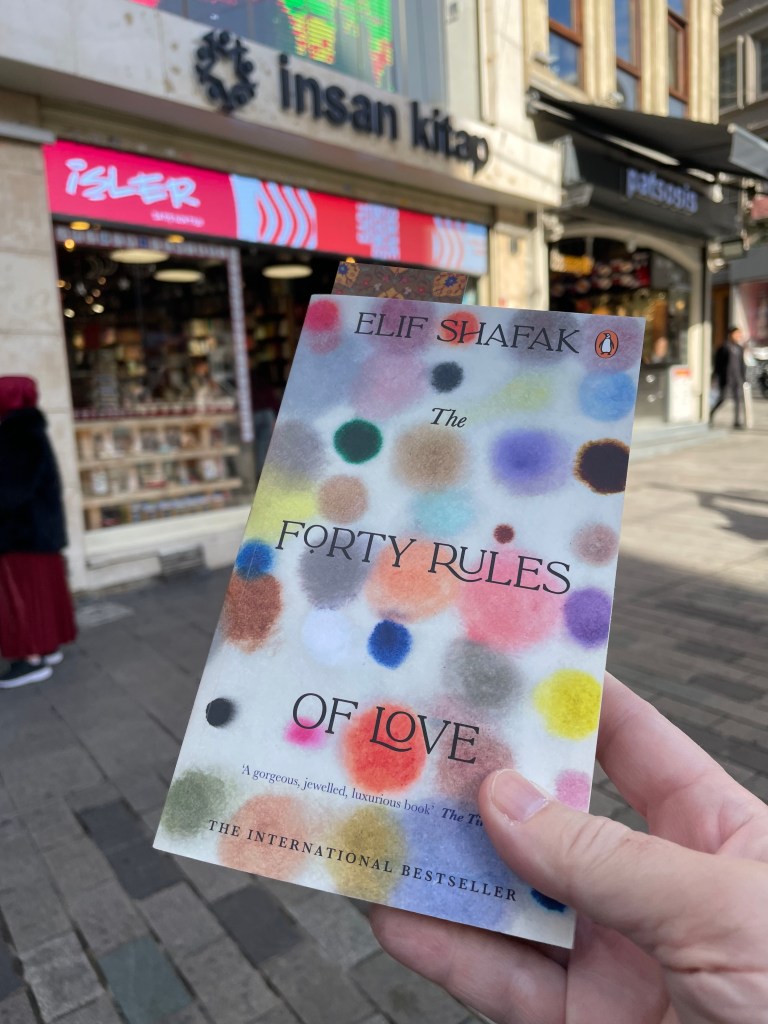
The book I bought on this trip was The Forty Rules of Love by Elif Shafak (or Şafak in Turkish). The story is about a middle-aged American woman called Ella who, on paper, has everything: nice house, good investment portfolio, decent income, husband, family, nice kitchen … but yet, in the midst of all this, she is lonely.
This is not because she lacks human beings in her immediate vicinity, but because she lacks love. She lacks connection, understanding, someone who cares enough to take an interest in the details of what she does, of who she is and who she wants to be – there are plenty of warm bodies around, they’re just not connecting in the way she needs.
To paraphrase Oscar Wilde, someone who deprives you of solitude without providing you with connection does not cure loneliness. In fact, they exacerbate it – and in my experience that is like most people most of the time: they’re there, but they’re not there there.
The journey to Istanbul was straightforward. The Dreamliner got us there on time, and I trudged through the massive airport and tried to organize an Uber to get me into town, unaware that Ubers are not allowed at Istanbul Airport and the police are forever chasing drivers away. After some sneaky moves by Asmali, the brave driver who dodged the law to get me to my hotel, I was shoved rapidly into the car and we zoomed off before the police could see what was going on.
My hotel was not great, but it did the job.
I got to my room and unpacked – a task I abhor, but always try to do immediately to get it over with. It was Sunday evening and I was weary. I don’t mind eating on my own in restaurants, I quite like the solitude and space to think, but also like the idea that I might get chatting to someone and have an interesting conversation, and I still maintain that, after a good old sing-song, a great conversation is the best thing you can do with another person.
There are other things, but I won’t go down the full list.
In the end I ordered room service and sat by the window, enjoying the view. Sometimes I just need to cocoon myself in my room and observe the world from a distance.
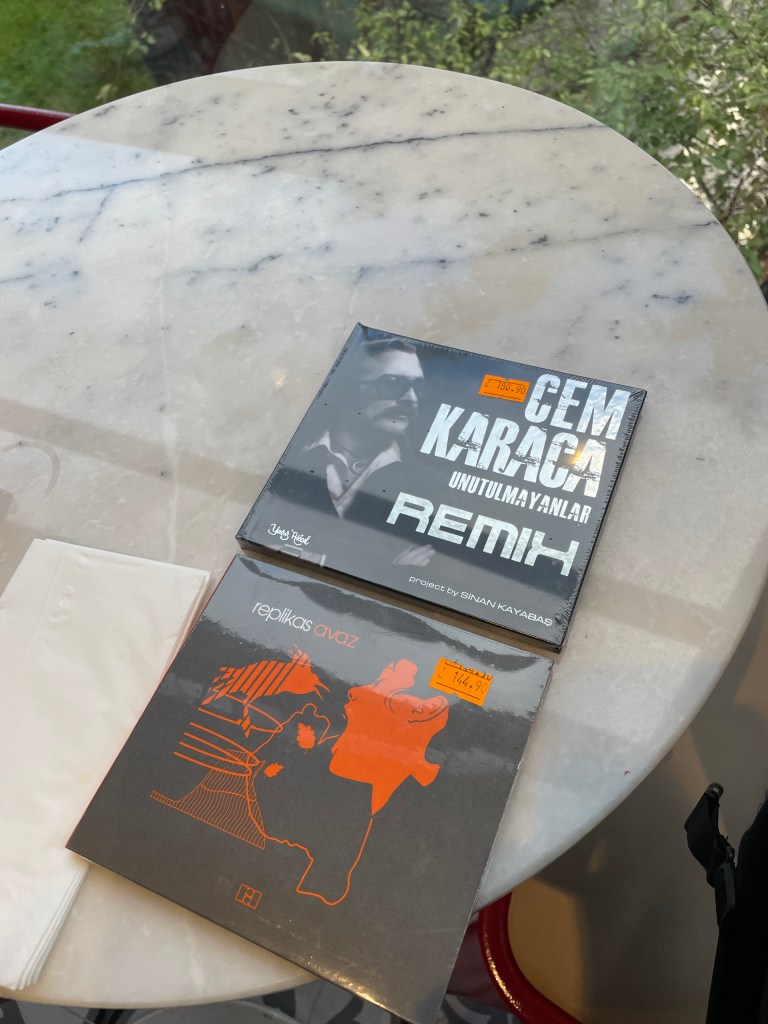
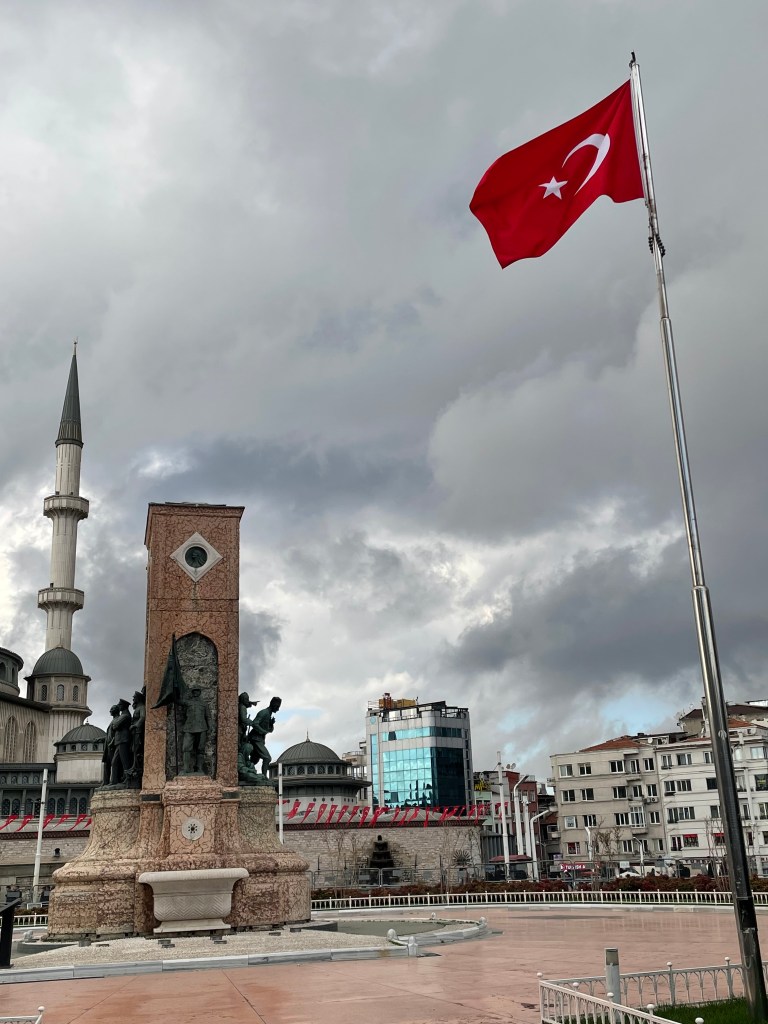
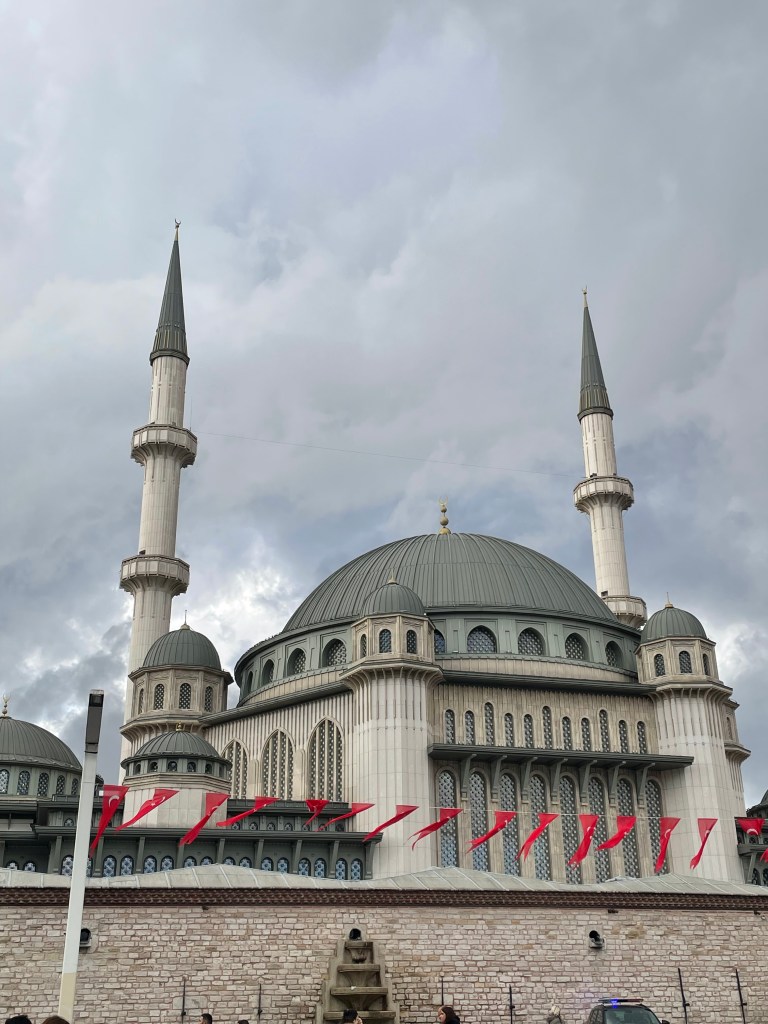
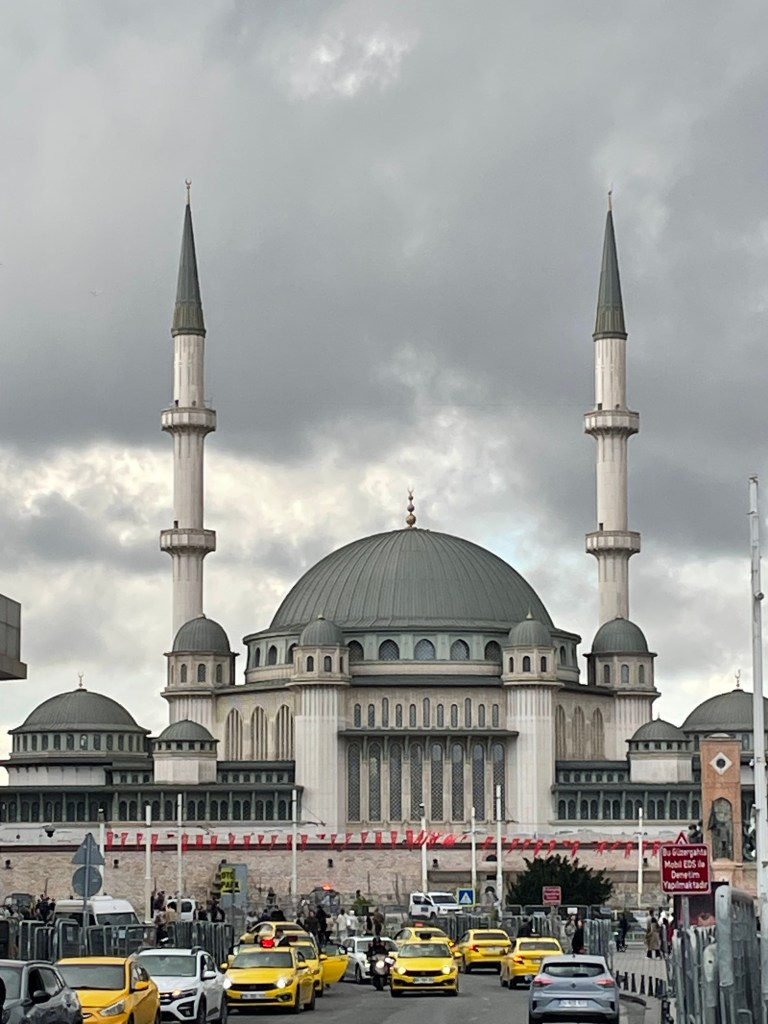
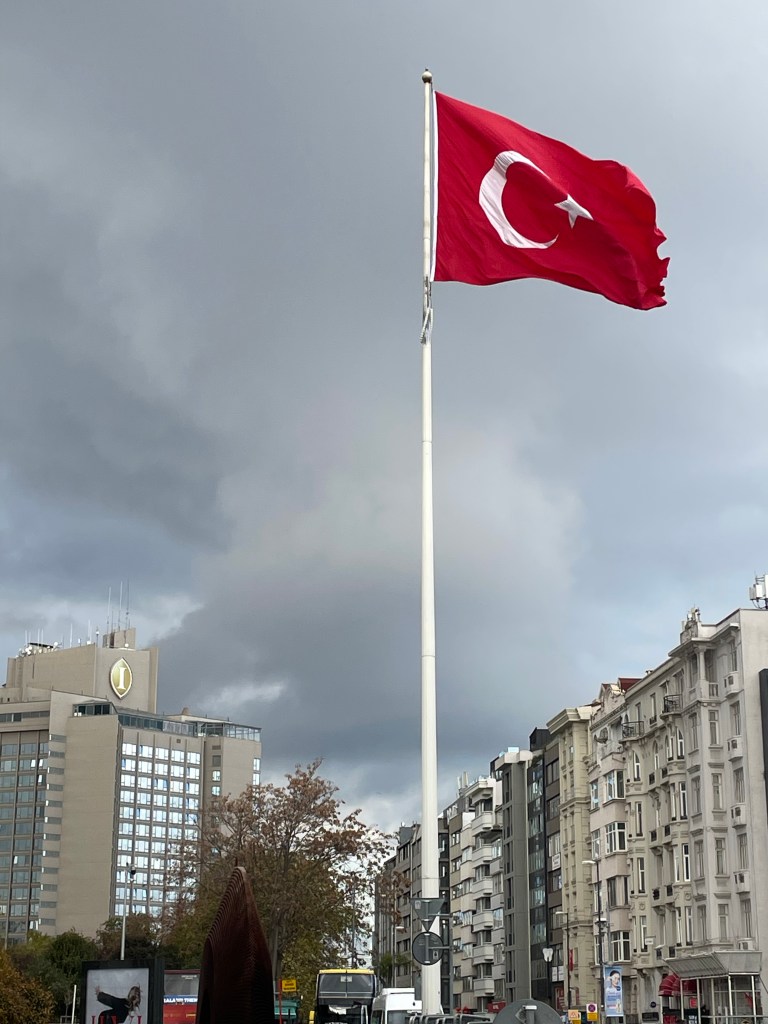
I had a couple of hours the next day, so walked up to İstiklal Caddesi, the main street running through the Beyoğlu district. This long pedestrian avenue connects the lovely Galata area down near the Golden Horn (an inlet and natural harbour on the Bosphorus) to Taksim Square. I found a bookshop where I bought the Elif Shafak book, and a music store where I managed to find a Replikas CD (a band I had checked out beforehand who sounded like my cup of tea – indie alternative guitars – think Radiohead, dEUS, Placebo type stuff) and a Cem Karaca remix album (think a Turkish rocky Joaquín Sabina-ish). I didn’t really want this, but the people in the shop were very proud of him and so the rather old-fashioned sounding “Father of Anatolian Rock” made it into my collection – and I’m glad it did, because although it sounds a bit dated (with too much echo for my taste) it’s actually rather good.
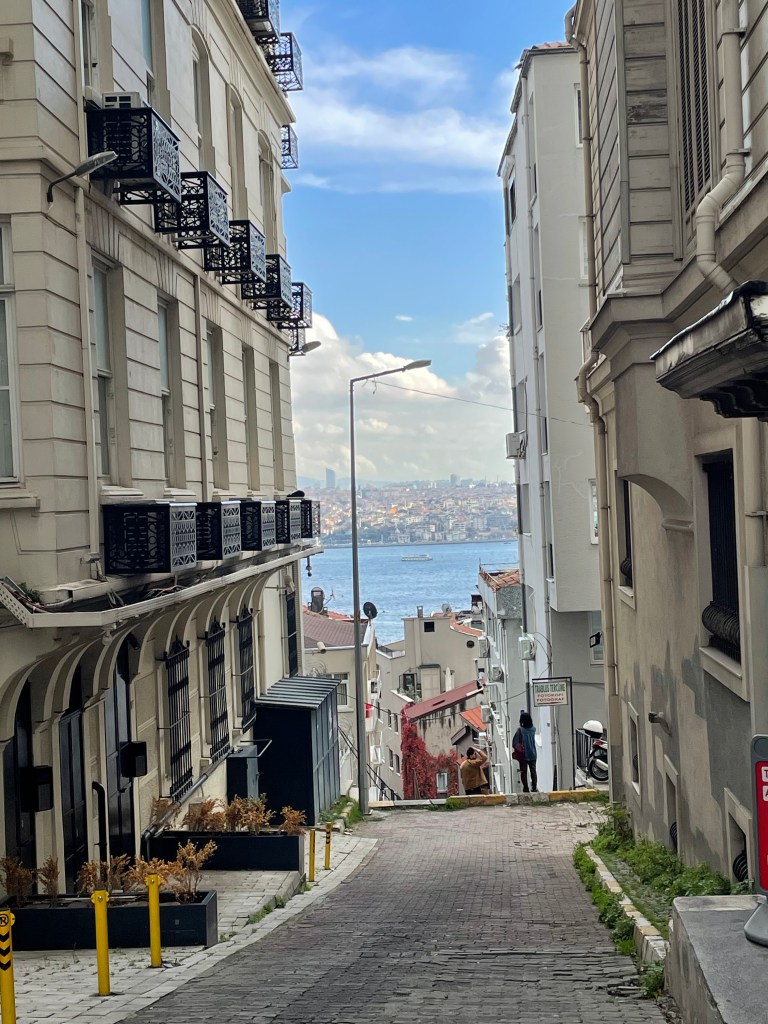
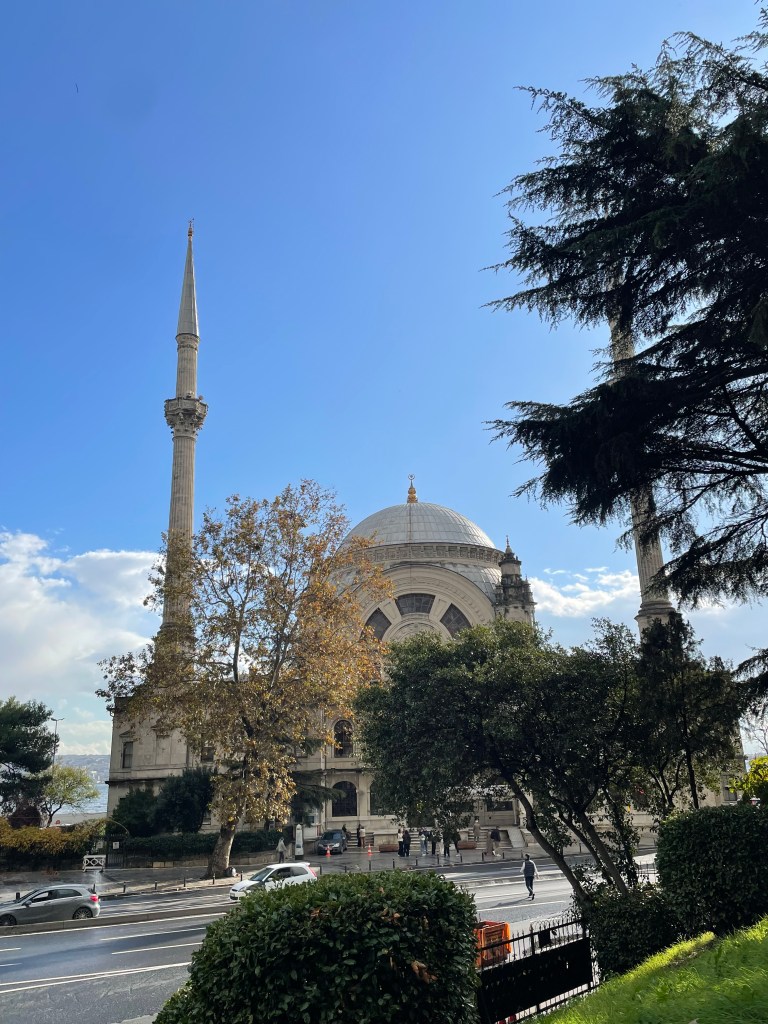
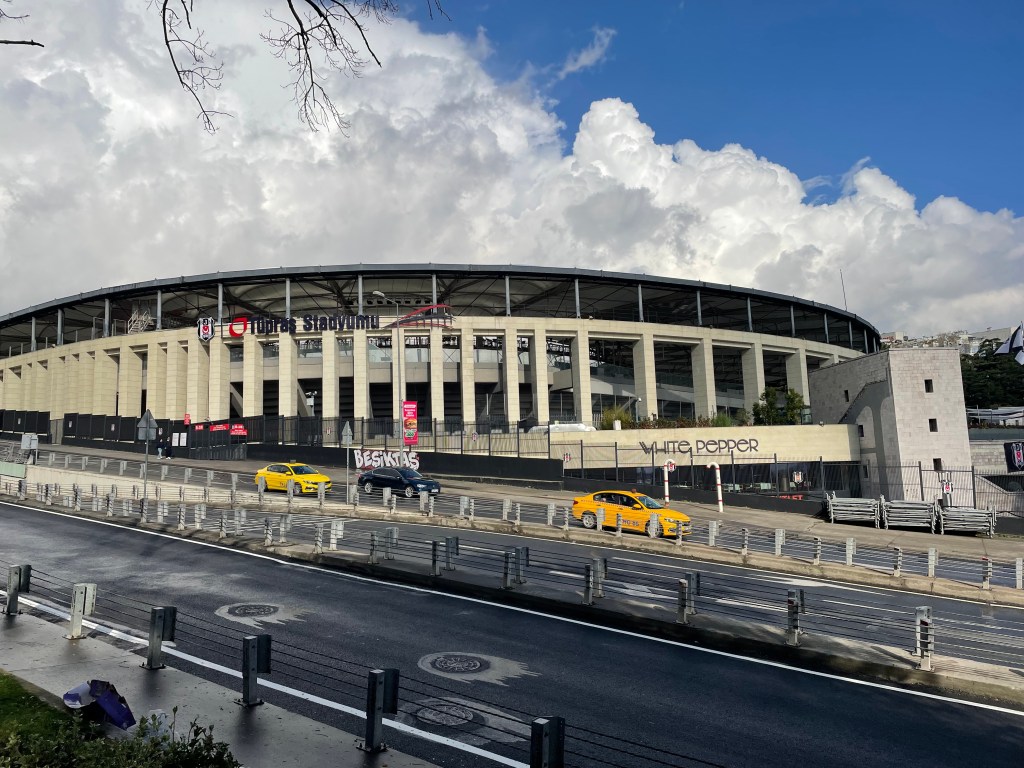
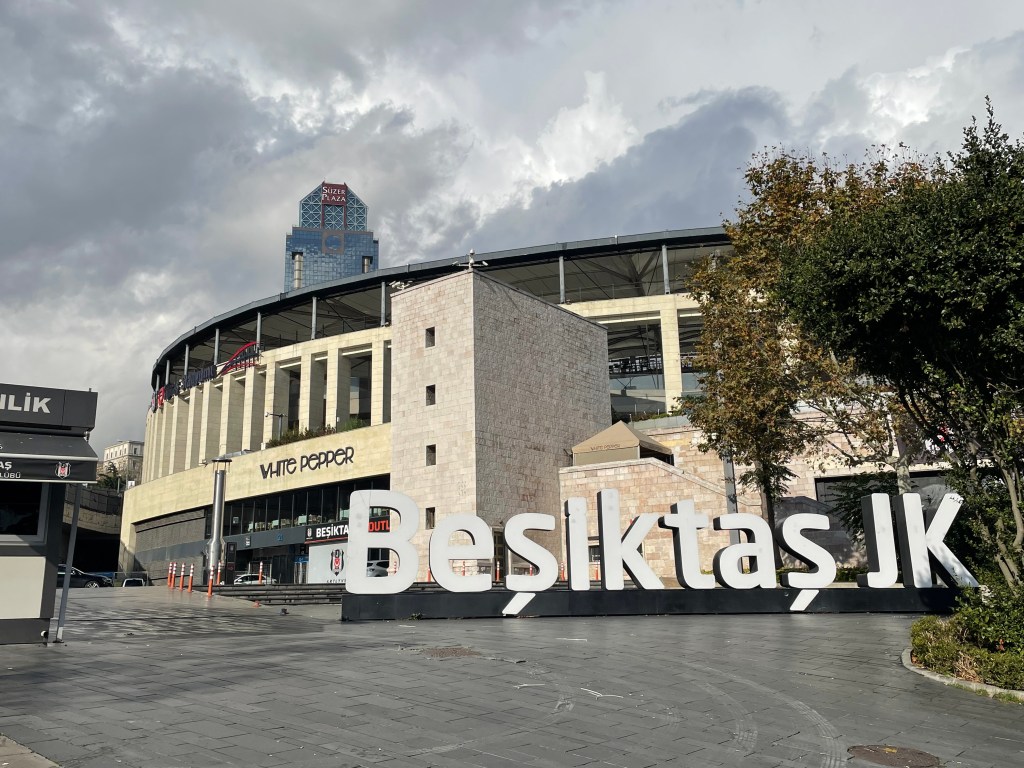
I walked down from Taksim Square, through a residential neighbourhood, to the shores of the Bosphorus by the Beşiktaş stadium. I decided a while ago that Beşiktaş were my Turkish team, and so wandered around the club shop for a bit before getting some lunch and heading back to my hotel to get ready for work.
In The Forty Rules of Love book, Ella works for a publisher, and is reviewing a submission called Sweet Blasphemy by an author we know as Aziz. This book within a book is about how Shams of Tabriz, an oddball wandering dervish (according to Wikipedia, the real Shams was a basket-weaver by trade) in thirteenth-century Turkey connects with the preacher Rumi. Shams is a Sufi, and mainly wanders around expounding religious wisdom, and whilst I don’t compare myself to him, my job of wandering around helping people become better leaders and managers is not quite the same as his role in helping people connect to God through love, perhaps he too faced loneliness on his travels. If so, it’s not in the book, he seems self-contained and confident, which is how I like to pretend to be, but the inner reality is not quite the same as the ice-cool exterior, and as I left work, shouting a cheery goodbye to the security guards, and walked down the chilly wet street back to my hotel, I felt a void – it’s been a long year, maybe I was tired and needed a break, but my spirits sagged and I felt lonely.
Mostly I prefer solo travel, it lets us live life like no-one’s watching. You can also do what you want with your time, and given I am usually travelling for work and am knackered, it’s nice to do very little with that time and take life slowly, something that’s not so easy to do if you’re with someone desperate to tick off the top ten tourist attractions by the end of the day, or in a busy home with a never-ending list of chores that need to be procrastinated about.
On the other hand, it’s nice to share experiences with people. As much as we loners like our space and independence, we still like to feel connected to people and the world, and when everyone else goes home to their real lives, and I wander slowly to my hotel, that disconnection looms large.
Isn’t there a male loneliness epidemic or something? That sounds familiar, I’m sure I’ve heard it mentioned. I think this is about how male friendships are structured around shared activities rather than deeper connections, and I’m sure this is true, but it may also be circumstantial. For many years my life was getting up at 6am, leaving the house at 7, working all day, getting home about 8pm, leaving little time and energy for friends and social life – loneliness becomes a way of life.
Maybe this is a bit of an excuse.
I’ve always been an outsider, a free-spirited misfit – as I will call it, although other (less-flattering) names are commonly used – so while there’s some part of me pushing for space, there is another desperate to connect, and that adds up to there being something about me that I don’t see, something that others recognize, some kind of awkward incompatibility that doesn’t universally connect with the standard human operating system – I’m not sure what it is, perhaps I’m just a bit of a weirdo.
Oh well, I like being me, so buns to the lot of them.
Shams of Tabriz didn’t mind being different either, he was confidently himself and shrugged at the consequences (even his murder), perhaps I need to embrace my inner dervish and be more like Shams (apart from the murder thing).
I have been to Istanbul many times, always for work, so inevitably those visits are rushed, and the meagre gaps between work and sleep don’t allow for much exploration. I’ve done some of the touristy things over the years, but I don’t feel I’ve made the most of my visits … although in my defence, the first time I came there were riots and I got tear-gassed – although I’ve been a few times since and each time fall more in love with the city (you tend to appreciate it more without the tear gas), and I become ever more interested in learning its history and exploring this vast metropolis.
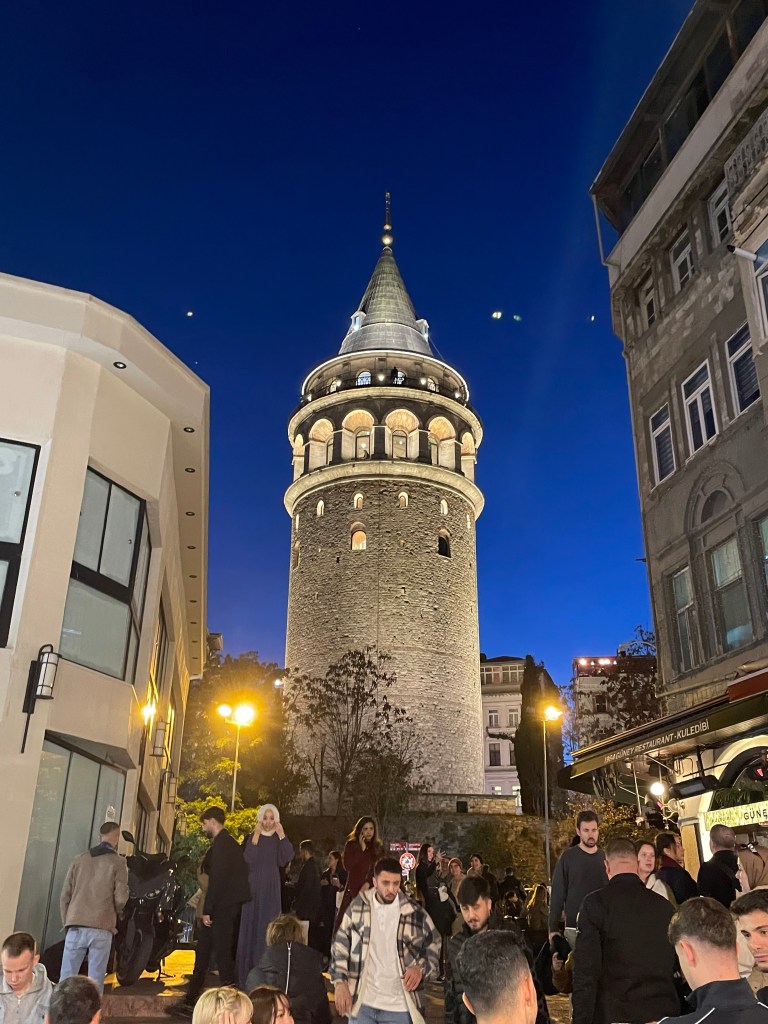
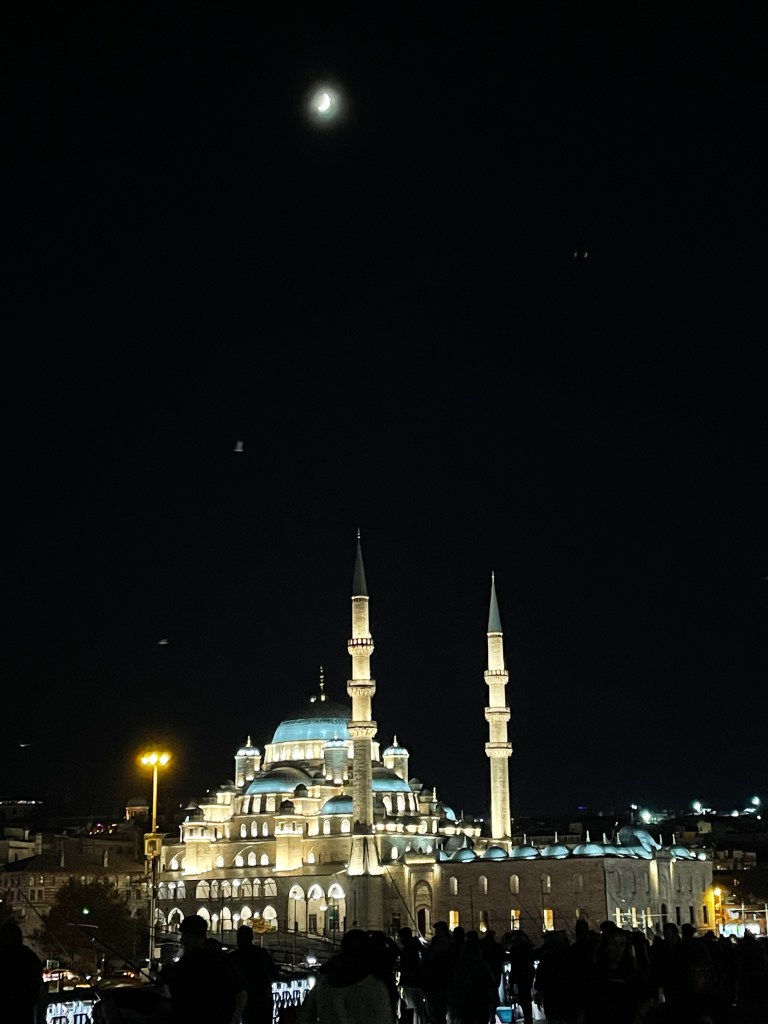
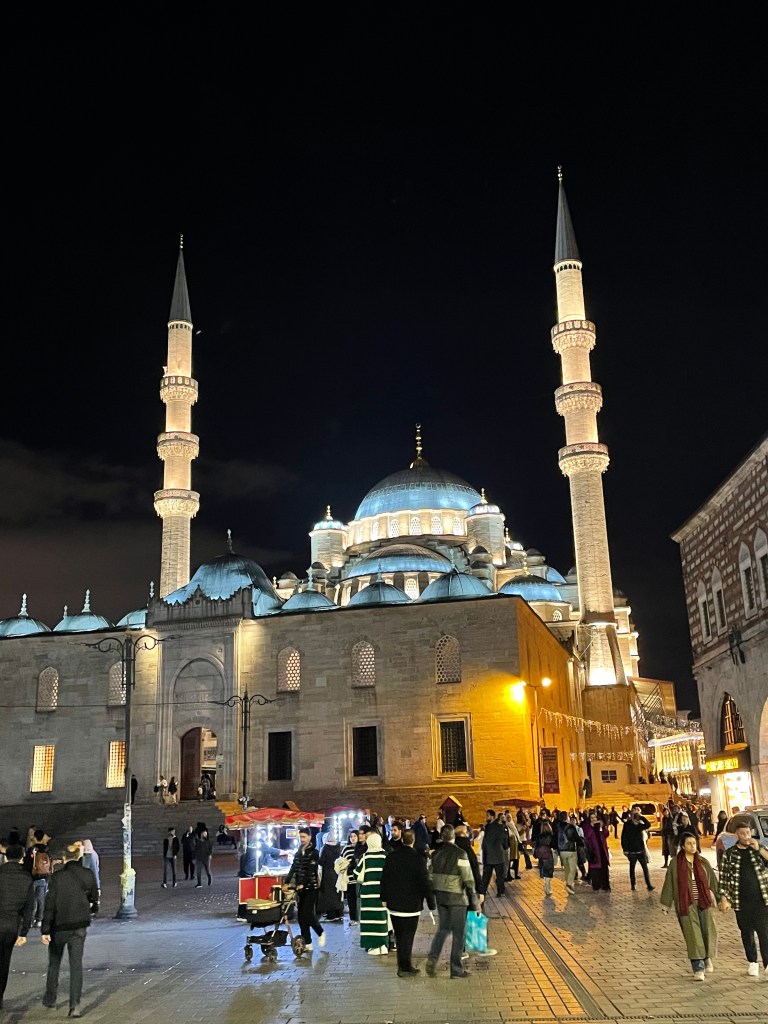
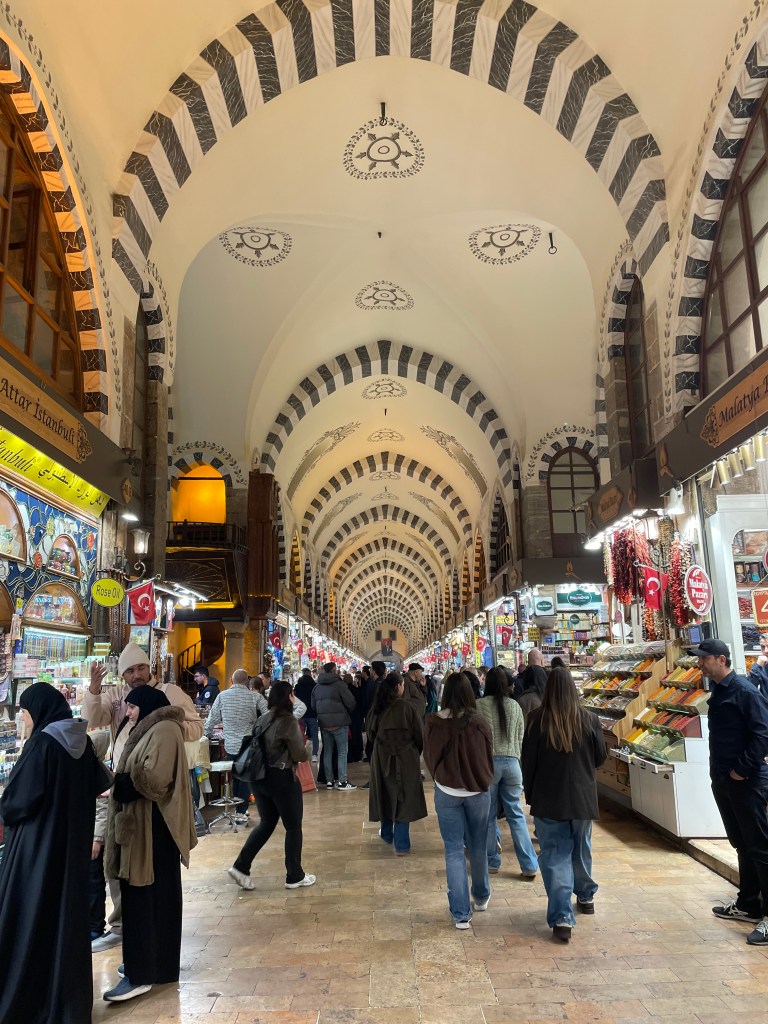
Except I don’t … lack of time, lack of energy … after busy days I did little more than wander the back streets near my hotel looking for restaurants. One evening I took a walk down through Galata, over the bridge spanning the Golden Horn, and on to the older part, the bit that was Byzantium then Constantinople back when this was the capital of Eastern Roman Empire. I walked up the crisscross of streets leading up to Egyptian Bazaar and then the Kapalı Çarşı (Grand Bazaar) which slammed its doors shut for the evening just as I got there … and then got a cab back to Taksim Square … not much exploration, I know, but in my defence this was another flying visit with minimal time, and so to make myself feel better, my lazy side negotiated with my more adventurous side that we would buy a book about Istanbul and return and do it properly next time.
This got me off the hook, and I went back to my room to read The Forty Rules of Love.

I was struggling to read the tiny font of the book, and I considered buying a digital copy for my Kindle so I could adjust the typeface. It was £5.99 – and that’s on top of the cover price I already paid. I wouldn’t think twice paying £5.99 for a drink in a bar, or something else I didn’t really want, but the idea of paying to buy a book again, albeit a different format, rankled with my Yorkshire brain and I equivocated.
I paced up and down, asking myself if I could justify it. Why don’t they give you a download code with the physical copy … they used to do this with vinyl until people stopped downloading music?
In the end I take the plunge and splash out for the Kindle version so I can read it with ease, and once the shock of paying an unnecessary £5.99 has worn off, I am glad I did because I can engage so much more easily with the story.
Ella is as fascinated by Sweet Blasphemy as I am with The Forty Rules of Love, and the deep connection she feels to Aziz is intoxicating – finding people we connect with on that level – people we call soul mates – is such a rare thing that she thinks of little else and eventually emails him. I briefly wonder if Elif Shafak is my soul mate, she is age appropriate and obviously a very interesting person, but a quick check of her Wikipedia page shows she is already married … although the similarity of the name Ella to Elif may suggest some inner struggle. Maybe this is a cry for help?
Ella and Aziz begin a pen-pal relationship and Ella feels the pull of her heart, the attachment to the routine and material comfort of her existing life loosens and she becomes less afraid of what she might lose. In the parallel story, Shams is – like Aziz – the follow-your-heart person, and Rumi the one clinging to what he has. He’s an ivory tower sort, intellectually brilliant, surrounded by books and admirers, protective of his reputation, possibly he too is afraid to lose what he has – certainly those around him are afraid of him losing his status and wealth, they thrive in the reflected glory of their closeness to the local celebrity.
Shams is spiritual and emotional, unencumbered by possessions and ego, disinterested in what others might be saying about him, only interested in connecting via love. His argument is that life is not about wealth and status and societal approval, it is to feel love and connection (to God in his case). Rumi becomes a poet after Shams is murdered and Ella follows her heart and starts to live the bohemian life she wants after Aziz dies.
I am not sure the dichotomy is so simple, does the heart speak with such clarity and consistency? Does it always have our long-term best interests in mind (or at heart, should I say)? And can we really be happy if following the heart involves hurting others?
Or is this just me intellectualizing everything – using my head to analyze my heart – as usual?
I need to think about this more and make sure I never forget this wonderful book.
Three full-on intense days of work followed by my lazy exploration and some mild socializing with some people from work, and I am desperate to go home – it’s been a long year, a lot of work and travel, and I have one more trip (to Budapest) before the New Year …
 MrJohn